


Shaping Healthier Hearing, the Smarter Way
Introduction
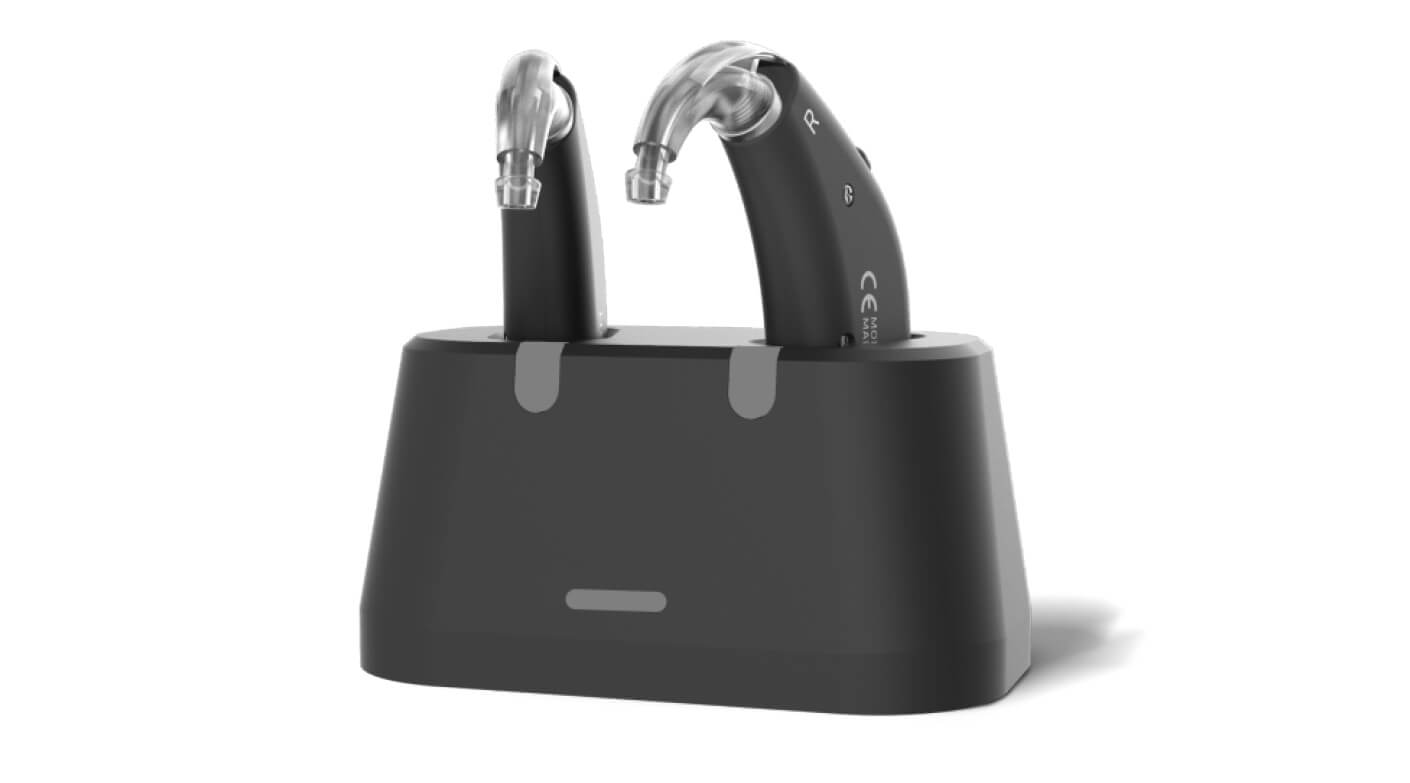
WeHear is India’s first dedicated hearing care company, committed to creating smart, ear-health-friendly products that fit seamlessly into everyday life. Focused on building a hearing care community backed by technology, WeHear, with its product BTE & smartwatch, aims to transform the way people interact with sound safely, comfortably, and proactively. A BTE hearing aid is a device that sits behind the ear. BTE hearing aids are powerful and can amplify sound for people with a range of hearing loss levels.
The Challenge
As WeHear prepared to launch its flagship hearing wearable, HearNU, it faced a pivotal challenge:
The product needed to be introduced to the market without going into mass production for initial trials.
They wanted to produce only 4000–5,000 units initially to test the market, gather real-world feedback, and refine the product before full-scale deployment. However, conventional prototyping lacked the strength and durability required for functional wearables.
Traditional manufacturing methods, on the other hand, demanded heavy upfront investment, tooling costs, and long lead times, which were unsuitable for an agile market validation approach.
WeHear planned an initial batch of just 4,000–5,000 units to test market response, gather real-world feedback, and refine the design before scaling up.
However:
- Conventional prototyping lacked the strength and durability needed for a wearable used daily.
- Traditional manufacturing required high upfront investment, tooling costs, and long lead times, making it unsuitable for an agile, feedback-first approach.
The Insight
The requirement was clear:
- Production-grade material for real-world use
- Scalable enough for low-batch runs
- Cost-effective to enable design iterations based on consumer feedback
Neither prototyping nor mass manufacturing alone could meet all three needs. The solution had to strike a balance between flexibility, strength, and scalability.
Cubein’s Solution
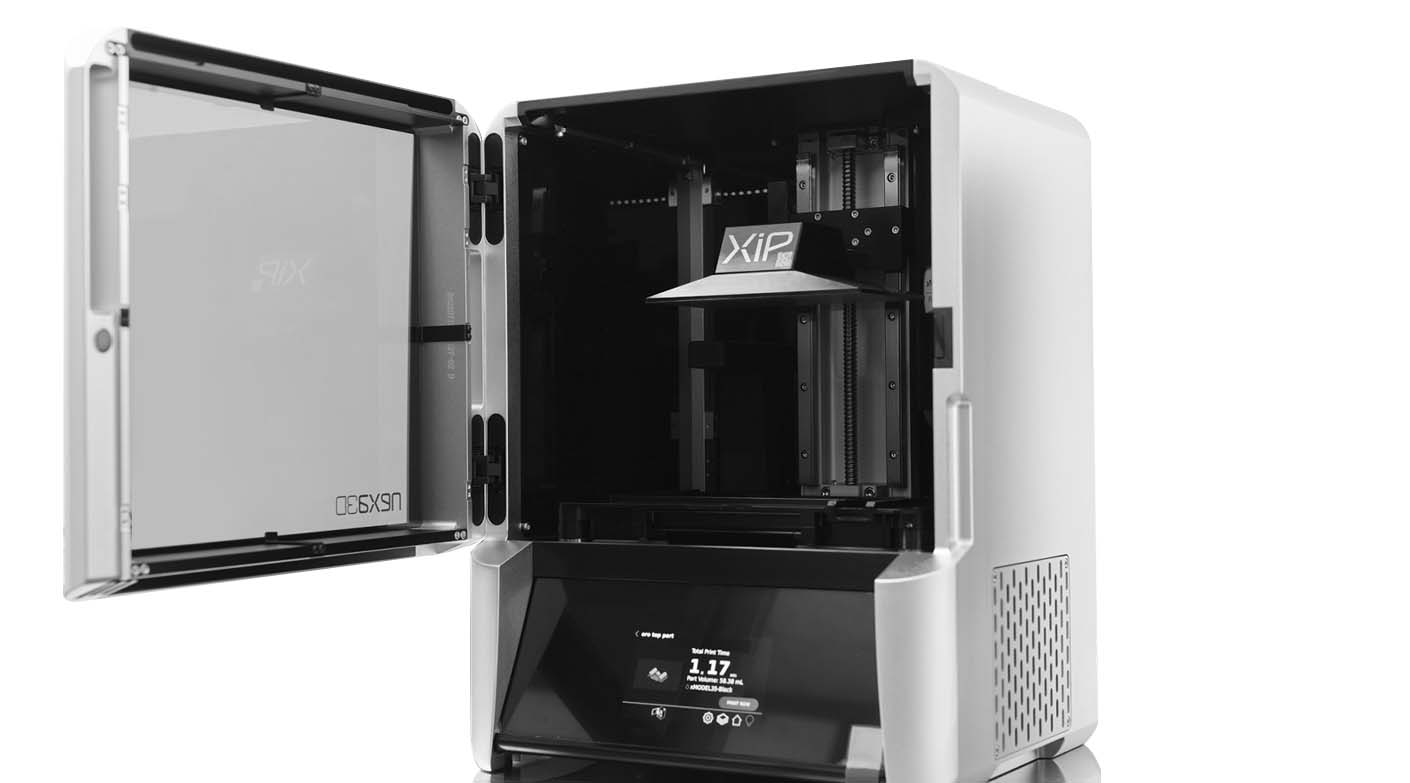
Cubein proposed a hybrid approach using Nexa 3D LSPc (Lubricant Sublayer Photo-curing), a next-generation 3D printing technology known for:
- High surface finish with isotropic strength
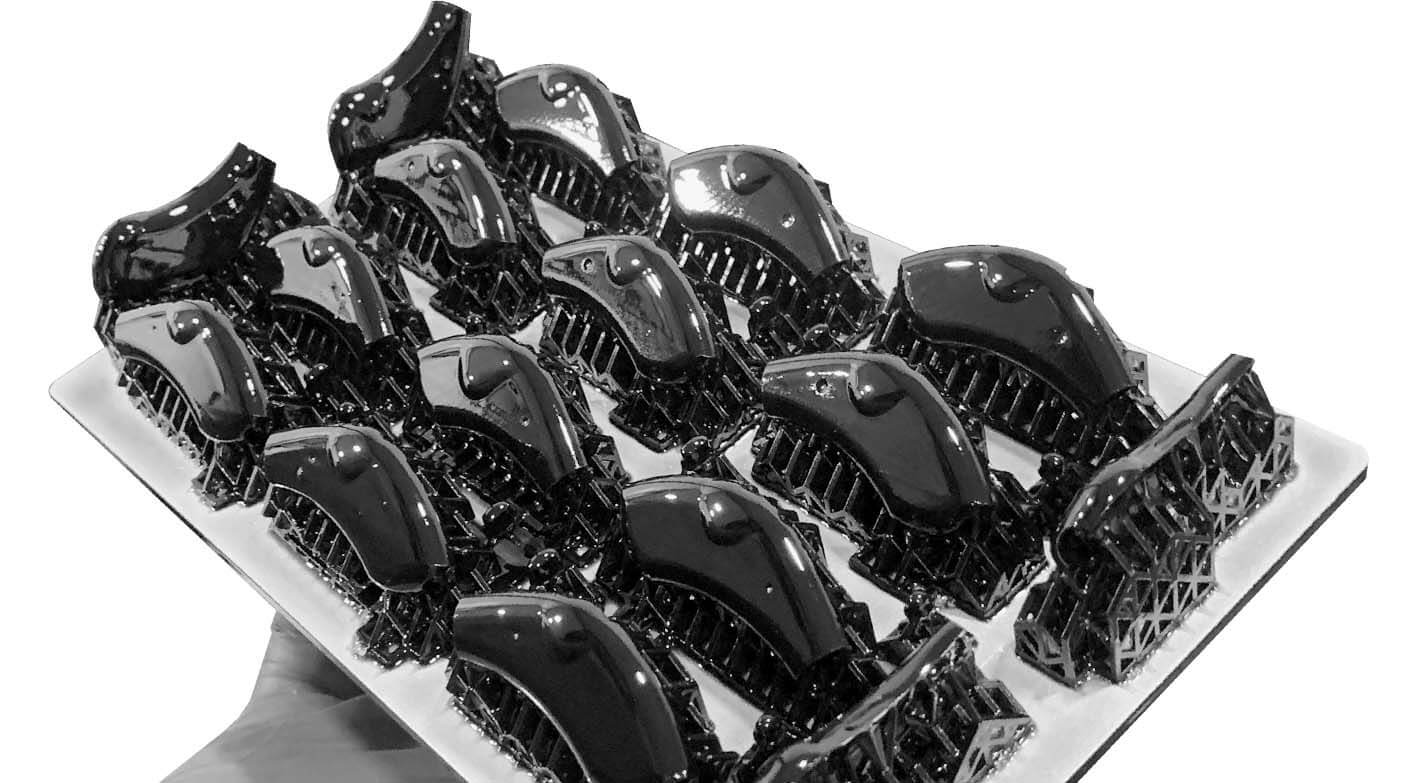
- Fast batch production (25–30 parts per print cycle)
- Full-density, production-grade parts
- Shorter lead time (within 2–3 hours)
This approach allowed WeHear to deploy high-quality prototypes in real-world conditions, gather direct user feedback, and make required design refinements, all without the burden of expensive tooling or long production cycles.
As the product gained traction and validation, Cubein seamlessly transitioned HearNU to injection molding for full-scale manufacturing, without compromising the design intent or quality.
The Impact:
- Upfront cost reduced to 60,000 per batch
- Reduced time-to-market with fast turnaround, low-volume production
- Enabled real-world testing with production-grade material
Client Testimonial
“Cubein helped us move from an idea to an impactful product, faster, smarter, and with zero compromise on quality. Their expertise in advanced 3D manufacturing gave us the agility needed to test, iterate, and scale.”
Team WeHear
Other Case Studies
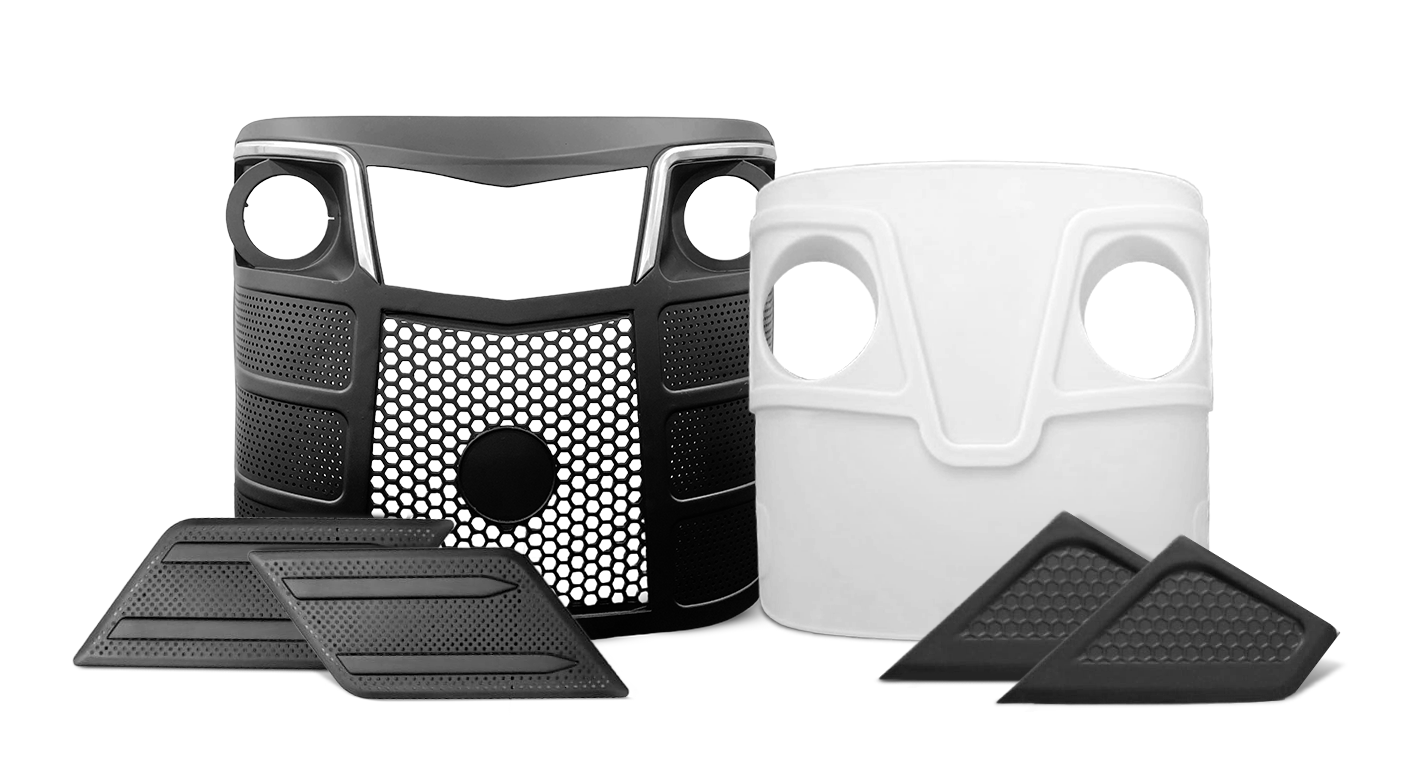
Reengineering Efficiency for Global Agri-Tech
How Captain Tractors met urgent design and production goals, without conventional manufacturing constraints.
Read More
Lorem ipsum dolor sit amet consectetur adipiscing elit ...
As a part of functional testing, the testing, piloting and assembly of the product is carried out.
Read More
How Cubein’s End-to-End Product Development Scale...
As a part of functional testing, the testing, piloting and assembly of the product is carried out.
Read More