

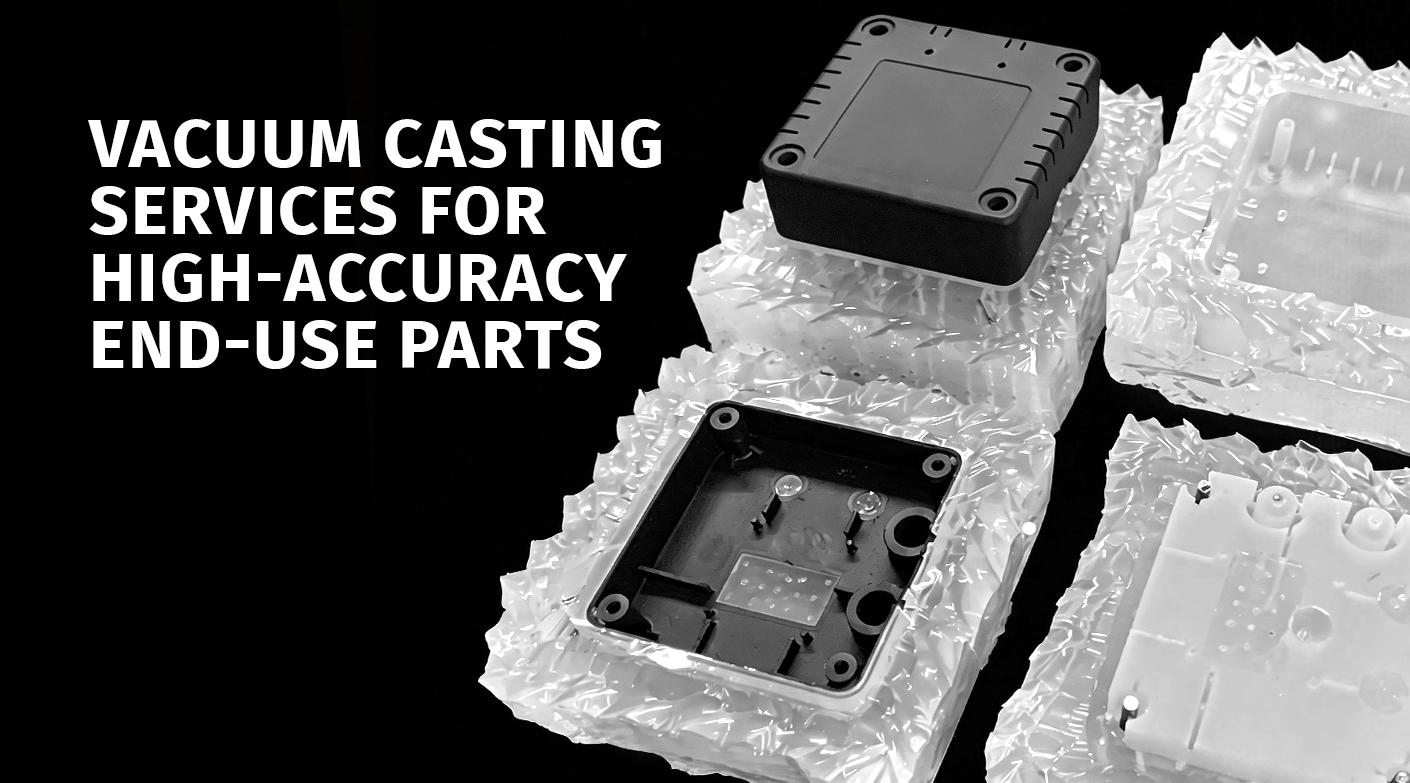
How about making extremely accurate, production-quality parts without spending money on costly tooling equipment or spending months to make them? This is where Vacuum Casting Services come in. The manufacturers are in need of solutions that would serve as a transition between prototyping and actual production.
Vacuum casting provides a way to bridge that gap so that companies can produce small quantities of high-quality parts with great surface finish, dimensional accuracy, and material flexibility. It has been applied in consumer electronics, automotive parts, and Vacuum Casting in medical products, and it has become a crucial element of the sophisticated manufacturing ecosystem.
Over the past few years, the market has shown a boom in the use of vacuum casting, particularly in the context of startups, medical creators, and industrial manufacturers seeking flexibility in their manufacturing methods. With Vacuum Casting Service in India and other parts of the world, companies in various sectors are now using it to speed up validation of their products and pre-production runs, as well as even functional components.
This blog provides insights into the mechanism of vacuum casting. Let’s see how.
Understanding the Vacuum Casting Process
Vacuum casting is actually a production process that aims at duplicating very intricate components by means of silicone moulds and liquid resin.
- The workflow starts with the development of a master model, which is usually created through high-resolution 3D printing or CNC machining. This model is used as the blueprint of the silicone mould.
- After the master model has been made ready, the liquid silicone is poured on it to form a flexible mould. The mould is then cured and cut open, and the original model is taken off.
- PVC resin or other casting materials are then cast in a vacuum in the mould. The vacuum condition cleanses the presence of air bubbles, which means that the substance fills all the details of the mould and creates objects of high accuracy and surface quality.
- This technique is especially useful as the silicone moulds are able to preserve very delicate details and reproduce them in a consistent way. Consequently, manufacturers are able to make several parts, which closely resemble the injection-moulded parts.
The manufacturing sources in the industry indicate that vacuum casting is a common process of producing complex geometries and components with high-quality dimensional accuracy and surface finishing.
Why Vacuum Casting Is Ideal for High-Accuracy End-Use Parts
Precision is needed in industries where tolerances are small, and reliability is of great concern. Industrial Design Companies like Cubein can produce parts with ± 0.020-inch tolerances or even tighter. Thus, choosing trusted companies will make your experience even better with vacuum casting.
As you know, traditional casting can trap air, which can lead to part defects or voids. Vacuum casting can remove this problem by pouring the materials in a controlled vacuum environment. The outcome is high structural integrity components, smooth surfaces, and high dimensional accuracy.
In the case of manufacturers of functional parts but not prototypes, this level of quality is crucial. Vacuum casting enables the engineers to experiment on the actual performance properties in the real world prior to investing in costly tooling. It also allows short-run batch production of end-use components with high reliability requirements.
The other significant strength is speed. Compared to metal tooling that is used in injection moulding, silicone moulds can be created in a relatively short period of time. This allows businesses to transition to the production parts within days instead of weeks.
Key Vacuum Casting Benefits for Modern Manufacturing
The popularity of the use of vacuum casting is due to the synergies of technical and economic benefits. This technique is commonly used by manufacturers who want to be agile in product development due to various advantages associated with it compared to the conventional manufacturing process.
#1 Exceptional Surface Finish
By far, one of the best-known advantages of vacuum casting is the high-quality surface finish that it offers. Silicone moulds are able to reproduce the smallest details on the master model and make parts that can have minimum post-processing.
A range of textures, colours and finishes can also be applied on a mould itself by manufacturers. That is why vacuum casting is the best choice for products of high visual and tactile quality.
#2 Cost-Effective Tooling
Vacuum casting is used instead of injection moulding (which involves expensive metal moulds) because silicone moulds are much less expensive and quicker to make. The cost of tooling will decrease significantly, and the companies will be in a position to produce small batches without a huge initial investment.
This cost-effectiveness renders vacuum casting especially appealing to startups, research laboratories, and product development teams.
#3 Fast Turnaround Time
Another important benefit is speed. Due to the fast process of silicone moulds production, as well as the efficient process of casting, manufacturers obtain parts within several days.
The ability to create products through rapid production cycles enables them to test, iterate, and launch products faster.
#4 Material Versatility
Vacuum casting is compatible with a large variety of materials, such as polyurethane resins, elastomers and rubber-like materials. Such materials are able to replicate the mechanical properties of engineering plastics, including ABS, polypropylene, and polycarbonate.
This flexibility also allows the engineers to choose the materials that are consistent with the performance requirements of the final product.
#5 Less Waste and Economical Production
Vacuum casting produces less material waste than most conventional manufacturing processes. The efficient application of casting resins and accurate filling of moulds is part of saving costs and sustainability.
Along with the manufacturing benefits, vacuum casting is highly beneficial in the medical sector as well. Let’s see how.
Vacuum Casting for Medical Products
The healthcare sector requires accuracy and dependability as well as material adherence. This is the reason why Vacuum Casting of medical products is becoming more relevant in the development and manufacturing of medical devices. In addition, the global vacuum casting market is currently estimated to be USD 2.56 billion in 2024 and projected to be USD 4.57 billion by 2033 with a CAGR of approximately 6.67.
Medical innovators often need small amounts of functional components, including:
- Surgical instruments
- Prosthetic components
- Diagnostic equipment
- Wearable health gadgets
Vacuum casting offers the accuracy required in such applications and enables manufacturers to experiment with materials that can pass the medical-grade test. The technique helps in biocompatible plastics and bendable elastomers that mimic actual production plastics.
The other significant advantage is speed. The high-speed development cycles in medical innovation may have direct implications for patient outcomes and healthcare development. Vacuum casting allows the engineer to make a large number of prototypes and test them rapidly, then transition to mass production.
Moreover, the capability to develop in-depth and sophisticated geometries renders vacuum casting best in medical devices that need to be precisely placed in the human body or to engage with delicate tools.
Conclusion
Due to increased product innovation in industries, manufacturers require a dynamic approach to production that is not only accurate but also efficient. Vacuum Casting Services offers precisely that: the ability of businesses to make extremely accurate end-use parts without the cost and time limitations inherent in traditional tooling.
Whether it is from automotive parts and electronics, or Vacuum Casting of Medical Products, the process will allow companies to prove the design, manufacture working parts, and step confidently towards full-scale manufacturing.
When companies are in need of a good Vacuum Casting Service in India, having a well-established manufacturing partner will provide them with the best possible outcomes. With high-level engineering skills, manufacturing accuracy, and a culture of innovation at Cubein, a trusted industrial product design company, businesses are able to convert their designs into high-accuracy production-ready parts.
| Turn your designs into market-ready products with Cubein. |
FAQs
1. What is the use of Vacuum Casting Services?
High-quality prototypes and the low-volume production parts are created in the form of silicone moulds and polyurethane materials by means of vacuum casting services. They find extensive application in automobile, electronics and medical applications.
2. What are the principal advantages of vacuum casting?
The main advantages are good surface finish, high dimensional accuracy, reduced tooling cost, and reduced production cycle as compared to the conventional manufacturing system.
3. What is the purpose of vacuum casting medical products?
Vacuum casting is a manufacturing method that permits the use of medical-grade materials with great accuracy; thus, it is mostly used in the production of prosthetics, diagnostic devices, and components of surgical equipment.
4. What is the reason to use a Vacuum Casting Service in India?
India has a source of competent engineering experience, advanced manufacturing facilities and affordable options, and as such, it is a global choice for vacuum casting work.
Other Blog

Navigating Low Volume Production in the field of Rapid ...
Navigating Low Volume Production in the field of Rapid Prototyping
Read More
Common Mistakes to Avoid When Selecting a Contract Manu...
Common Mistakes to Avoid When Selecting a Contract Manufacturer
Read More
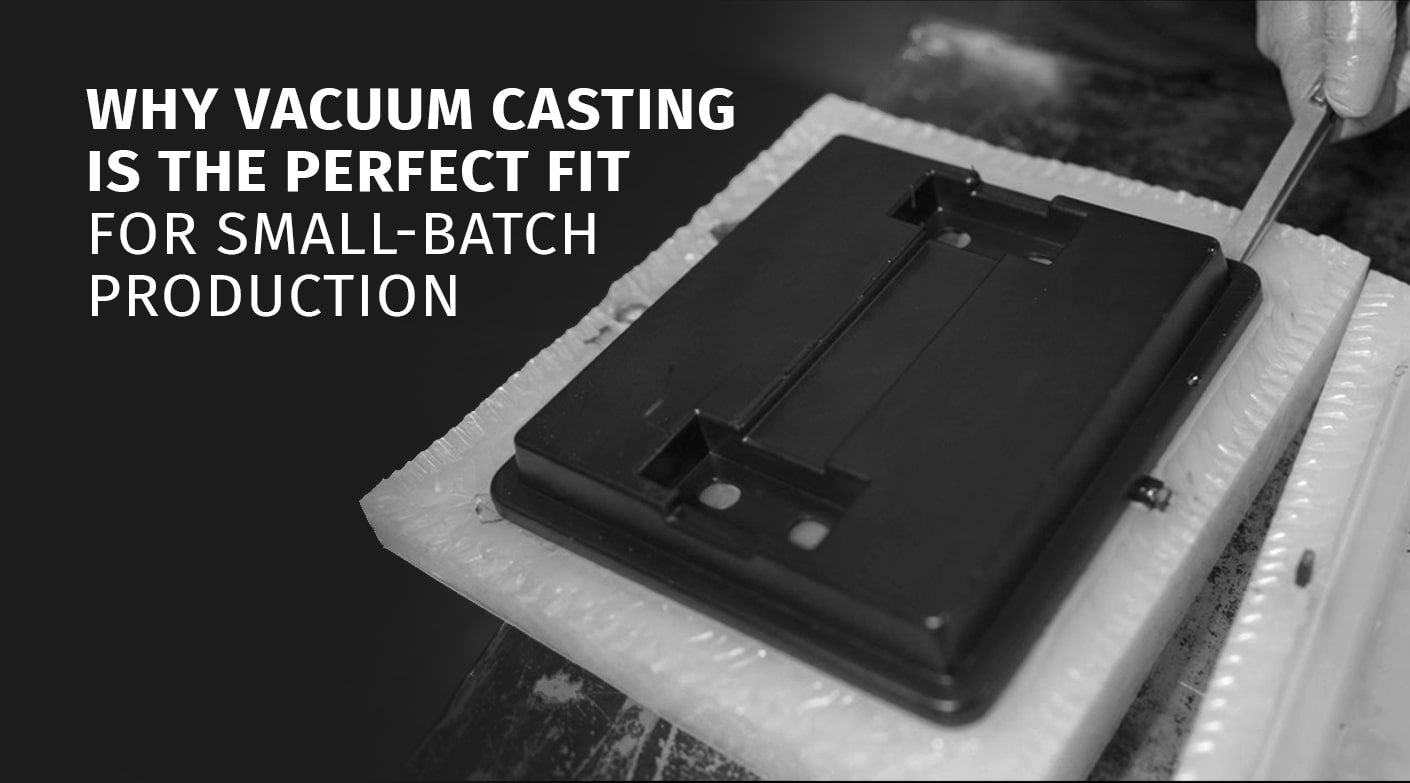
Why Vacuum Casting is the Perfect Fit for Small-Batch P...
Cubein, stands as a reliable vacuum casting service provider, delivering high-quality solutions.
Read More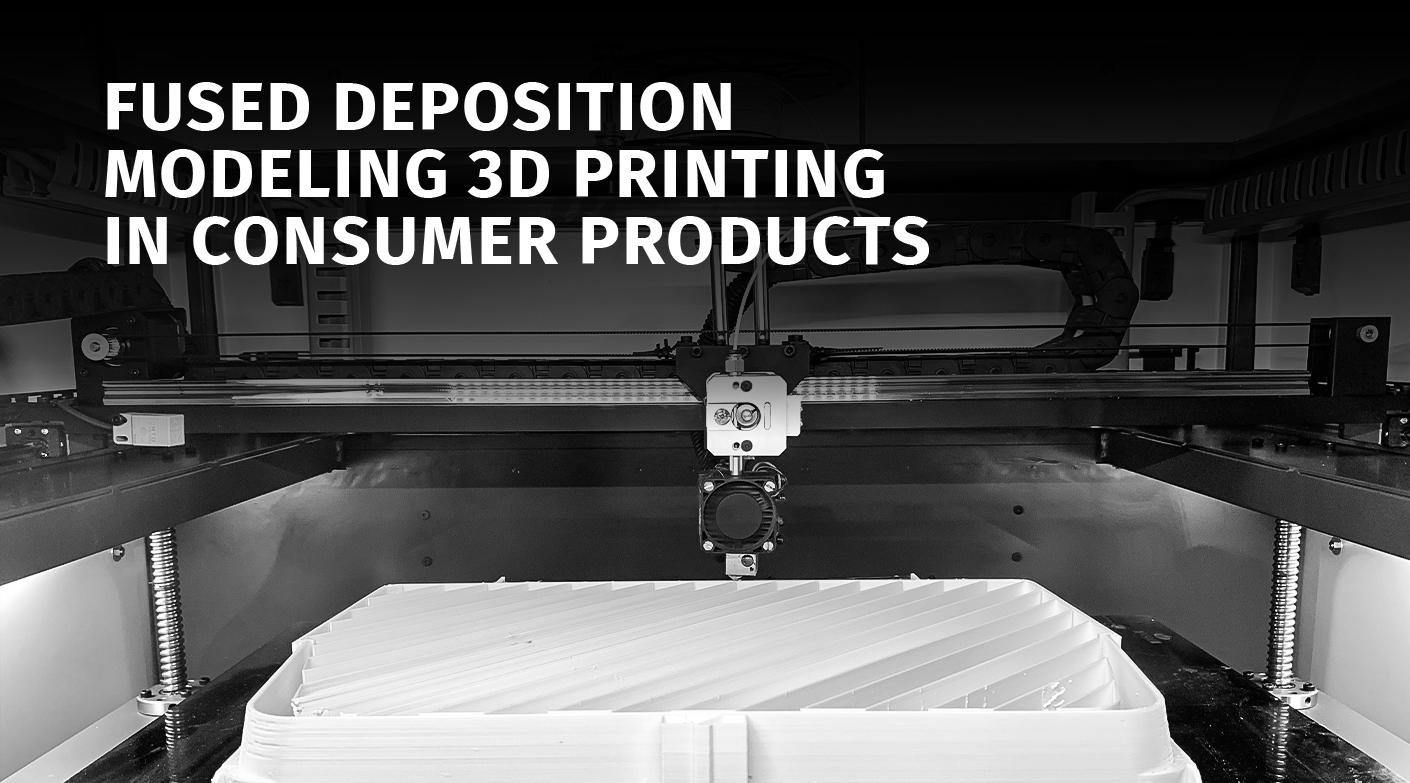
Fused Deposition Modeling 3D Printing in Consumer Produ...
Fused Deposition Modeling 3D Printing in Consumer Products
Read More
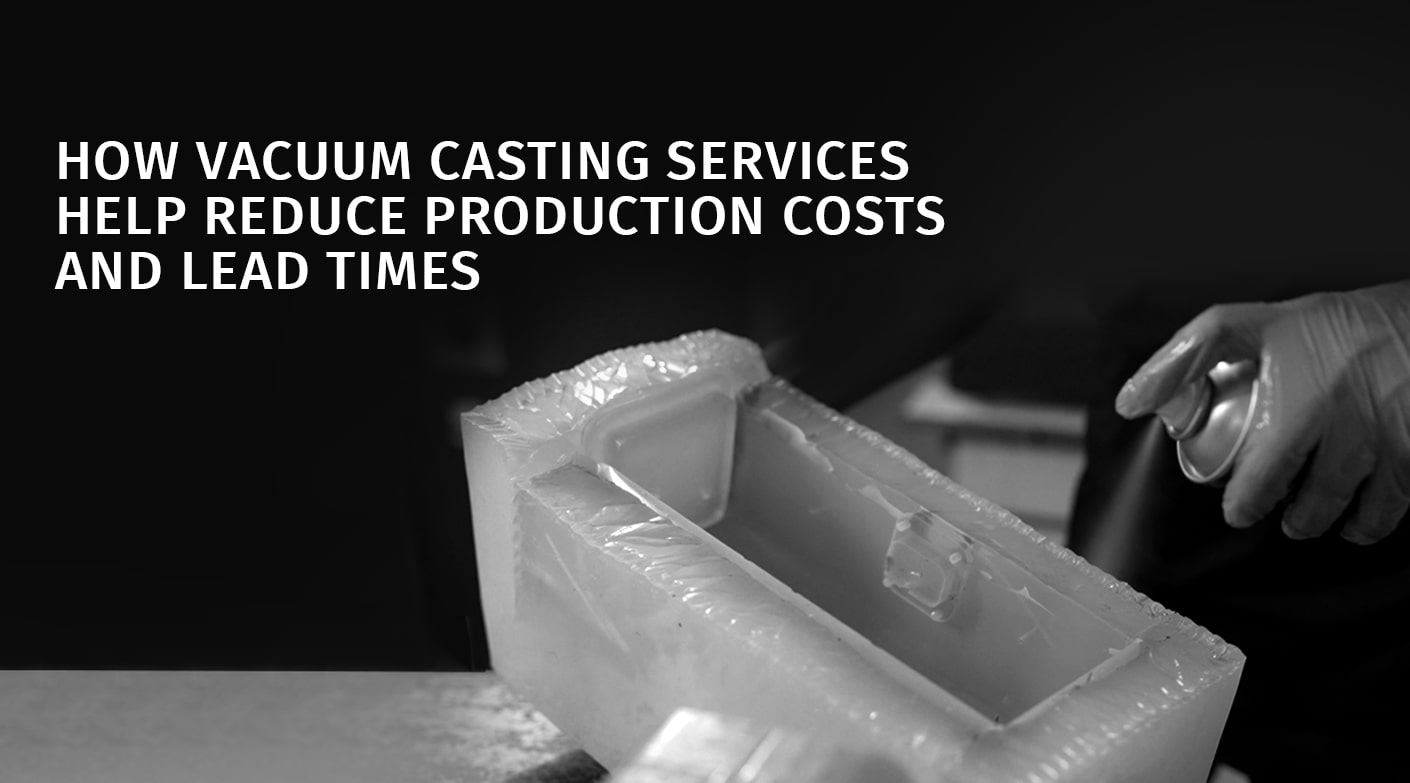
How Vacuum Casting Services Help Reduce Production Cost...
How Vacuum Casting Services Help Reduce Production Costs and Lead Times
Read More
Rapid Prototyping for Automotive Industry: An Ideal Sol...
Rapid Prototyping for Automotive Industry An Ideal Solution
Read More
The Complete Guide to Injection Molding Materials
The Complete Guide to Injection Molding Materials
Read More