


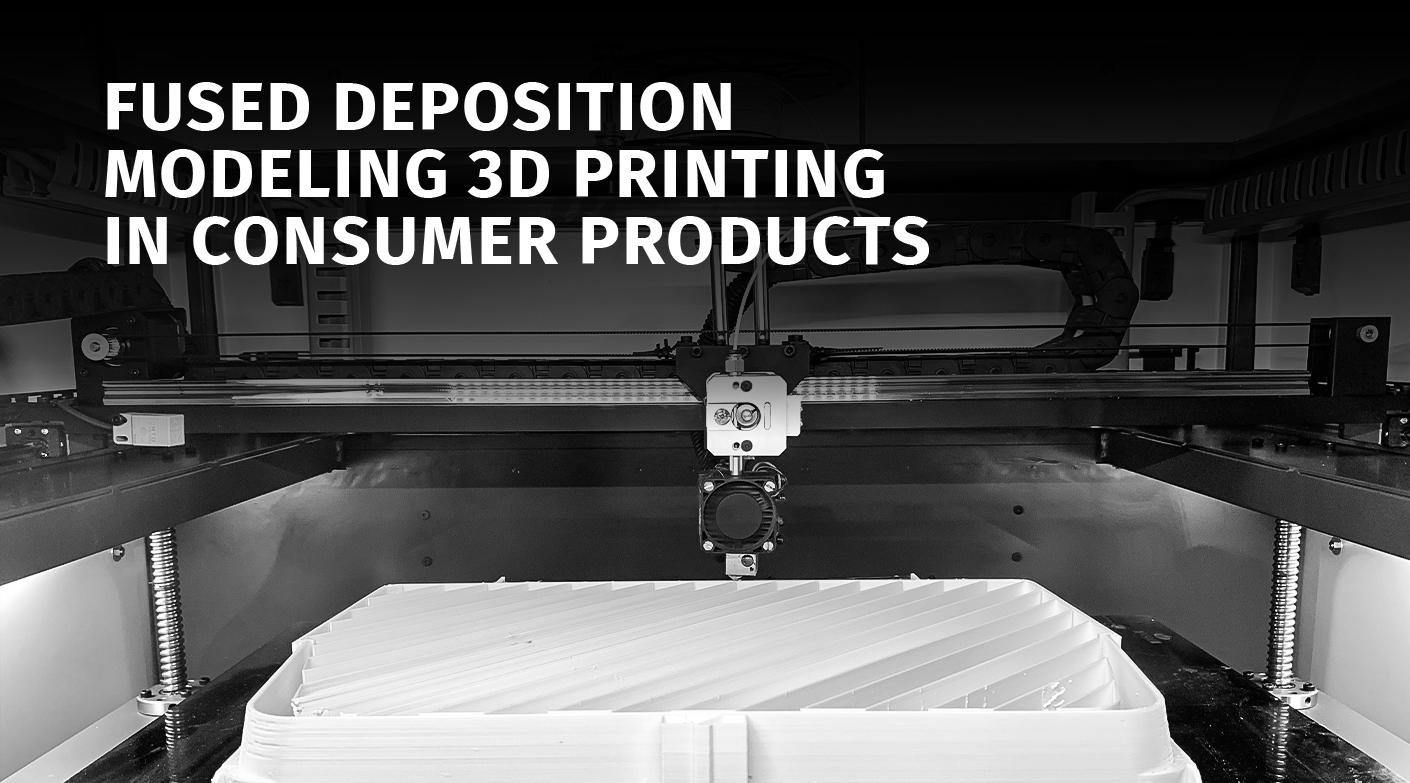
Can you imagine the fact that your next product, be it a set of headphones, a kitchen utensil, or eyewear, can be molded to fit you and produced in a few hours? This is no longer a futuristic idea. It is the reality that Fused Deposition Modeling (FDM) 3D Printing in Consumer Products has made possible.
FDM is transforming the way consumer products are envisioned, designed, and delivered, whether in personalized gadgets or environmentally friendly household items. This blog addresses the technology, the reasons behind its growth, and how Fused Deposition Modeling is influencing the future of consumer markets. Let’s deep dive.
Understanding Fused Deposition Modeling in 3D Printing
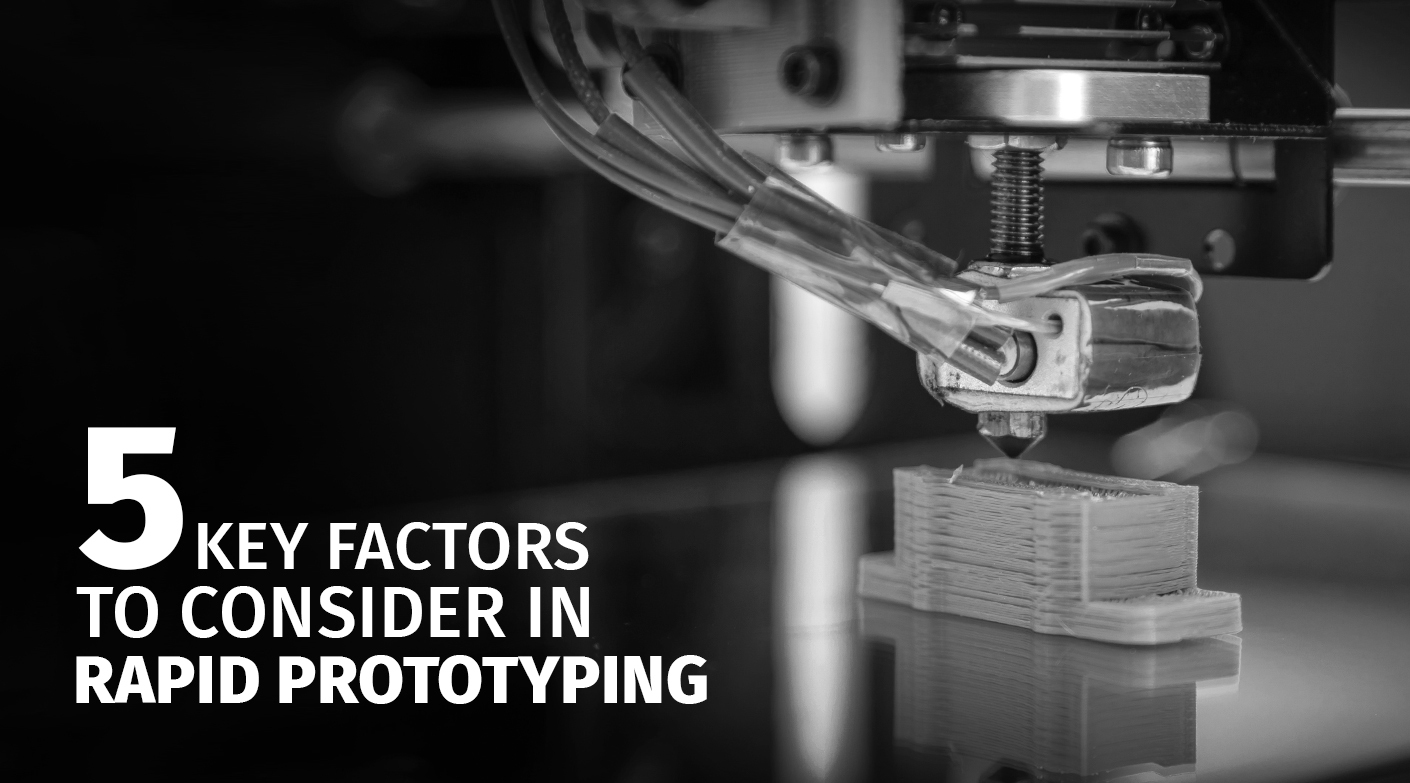
At its core, Fused Deposition Modeling in 3D Printing is a process where thermoplastic material is heated and extruded layer by layer to create a 3D object.
In contrast to conventional manufacturing, which may require cutting, molding, or casting, FDM is additive. This lets:
- Minimal material waste
- Complex geometries
- Quick development and manufacturing
- Cost-effective small-batch manufacturing
FDM printers use thermoplastic materials such as PLA, ABS, PETG, and even advanced engineering plastics, which can be used in practical and aesthetic consumer products.
Why FDM is Driving Innovation in Consumer Products
1. Mass Customisation Becomes Reality
The old manufacturing feeds on standardized production. FDM is flourishing on individualism.
Today, consumers prefer individual experiences, tailor-made earphones, ergonomic instruments, or original decoration items. FDM gives brands the ability to make one-of-a-kind products at scale, without having to spend a lot of money on tooling.
Indicatively, startups that have adopted digital manufacturing platforms are capable of creating and iterating products quickly in response to consumer preferences.
2. Faster Time-to-Market
Consumer markets are all about speed. With FDM:
- It is possible to develop prototypes within hours
- The iterations in design occur in real-time
- Products can be introduced at a faster rate than competitors
3. Cost Efficiency for Small Batches
Injection molding involves expensive molds and would not be feasible when the volume of production is low.
FDM removes this obstacle by:
- Removing tooling costs
- Reducing inventory requirements
- Enabling on-demand manufacturing
It is especially useful with startups and D2C brands that are niche market entrants.
4. Sustainability and Waste Minimisation
FDM is consistent with the rising demand for environmentally-friendly production:
- Material usage is optimised (additive vs. subtractive)
- Reduction in wastage is achieved
- Local production allows the product to be manufactured with less logistics emissions
With sustainability as a fundamental purchasing consideration, brands embracing FDM will have a competitive advantage.
Key Applications of Fused Deposition Modeling in Consumer Products
1. Consumer Electronics
3D printing, Fused Deposition Modeling, can be used to create custom phone cases, wearable parts, and smart device cases with high precision and flexibility. FDM is convenient in electronics since it can be used in rapid prototyping and small-volume production due to its lightweight but structurally robust nature.
2. Home & Lifestyle Products
FDM also allows the production of designer lamps, decorations, kitchen appliances, and storage devices according to contemporary consumer preferences. Brands can quickly experiment with designs and launch trend-driven products using 3D Printing in consumer products.
3. Fashion & Accessories
- Prototypes of custom eyewear, jewelry, and footwear can have detailed detailing and personalization.
- The uses of Fused Deposition Modeling enable designers to be innovative while being cost-effective and fast.
4. Healthcare Consumer Products
For individual comfort and usability, orthopedic supports, dental prototypes, and entry-level prosthetics can be customized. FDM facilitates customised solutions for the patients, maximizing product performance and user experience.
5. Toys and Learning Materials
In order to enhance interaction and learning capabilities, one can create personalized toys, STEM kits, and educational models. Fused Deposition Modeling in 3D printing helps manufacturers to develop interactive, personalized experiences.
Advantages of FDM for Consumer Product Manufacturing
1. Flexibility in Design
Because of the Fused Deposition Modeling in 3D Printing, manufacturers can now produce very complex geometries, more complex internal structures, and even tailored product characteristics without any extra tooling expenses or constraints on design.
2. Rapid Prototyping
Under FDM, businesses are able to convert digital designs into real prototypes in hours, allowing quicker testing, validation, and refinement.
This greatly shortens the product development cycles and enables companies to react to market demands effectively, reduce mistakes at an early stage, and speed up the introduction of new consumer products with higher design precision and functionality.
3. Accessibility
One of the biggest advantages of Fused Deposition Modeling in 3D Printing is its accessibility, as desktop printers and affordable materials make it easier for startups and small businesses to adopt.
This democratization of manufacturing will enable entrepreneurs to create, experiment, and introduce products without significant capital input and access to large-scale industrial facilities.
4. Scalability
FDM is highly scalable and this means that a business can easily transition between a single prototype and low-volume production without altering the production processes.
This flexibility encourages on-demand manufacturing, inventory risk mitigation, and allows brands to experiment with market acceptance prior to scaling, it is the best fit for current strategies in consumer products based on agility and efficiency.
The Future of FDM in Consumer Products
Applications of Fused Deposition Modeling should be integrated with the advanced technologies in the future:
- AI-driven design optimisation
- Smart manufacturing systems
- Multi-material printing
With the further development of additive manufacturing, FDM will probably take over the available and consumer-oriented production. As the FDM 3D printing market worldwide is expected to increase at a rate of 21.8 percent (from 2024 to 2030), its demand in consumer goods will continue to grow.
Conclusion
FDM is not merely a prototyping instrument anymore; it is a production enabler that is revolutionising 3D Printing in Consumer Products. The technology enables brands to be more innovative and engage their customers more intensively, whether in terms of customization and speed or in terms of sustainability and cost-effectiveness.
In case a company wants to remain competitive in this changing market, the use of Fused Deposition Modeling in 3D Printing is not only an option but also a strategic requirement. At Cubein, we assist brands to transform concepts into physical, high-quality items with superior additive manufacturing solutions- the link between creativity and scalable manufacturing.
| Bring innovative, market-ready consumer products sooner with FDM 3D Printing. |
FAQs
1. What is Fused Deposition Modeling in 3D Printing?
FDM is an additive 3D printing technique that involves the deposition of melted thermoplastics in layers to produce an object. It is common in prototyping and low-volume production.
2. What is the role of 3D Printing in consumer goods?
The products that can be customized, prototyped quickly, and produced in small quantities through the 3D printing process are accessories, electronics, and home products.
3. What are the main applications of Fused Deposition Modeling?
The FDM is implemented in consumer electronics, fashion, healthcare products, toys, and home decor due to its flexibility and cost-effectiveness.
4. Does FDM work for mass production?
FDM is suitable for low to medium volumes of production. In large-scale production, it can be used together with other production processes.
Other Blog
Why Industrial Design is Essential for Modern Product D...
At Cubein, we can help you bring your innovative product idea into reality.
Read More
How are Original Design Manufacturers (ODMs) in India S...
How are Original Design Manufacturers (ODMs) in India Supporting Startups?
Read More
How Vacuum Casting Services Help Reduce Production Cost...
How Vacuum Casting Services Help Reduce Production Costs and Lead Times
Read More
Original Design Manufacturers in India for Automotive I...
Original Design Manufacturers in India for Automotive Innovation
Read More