


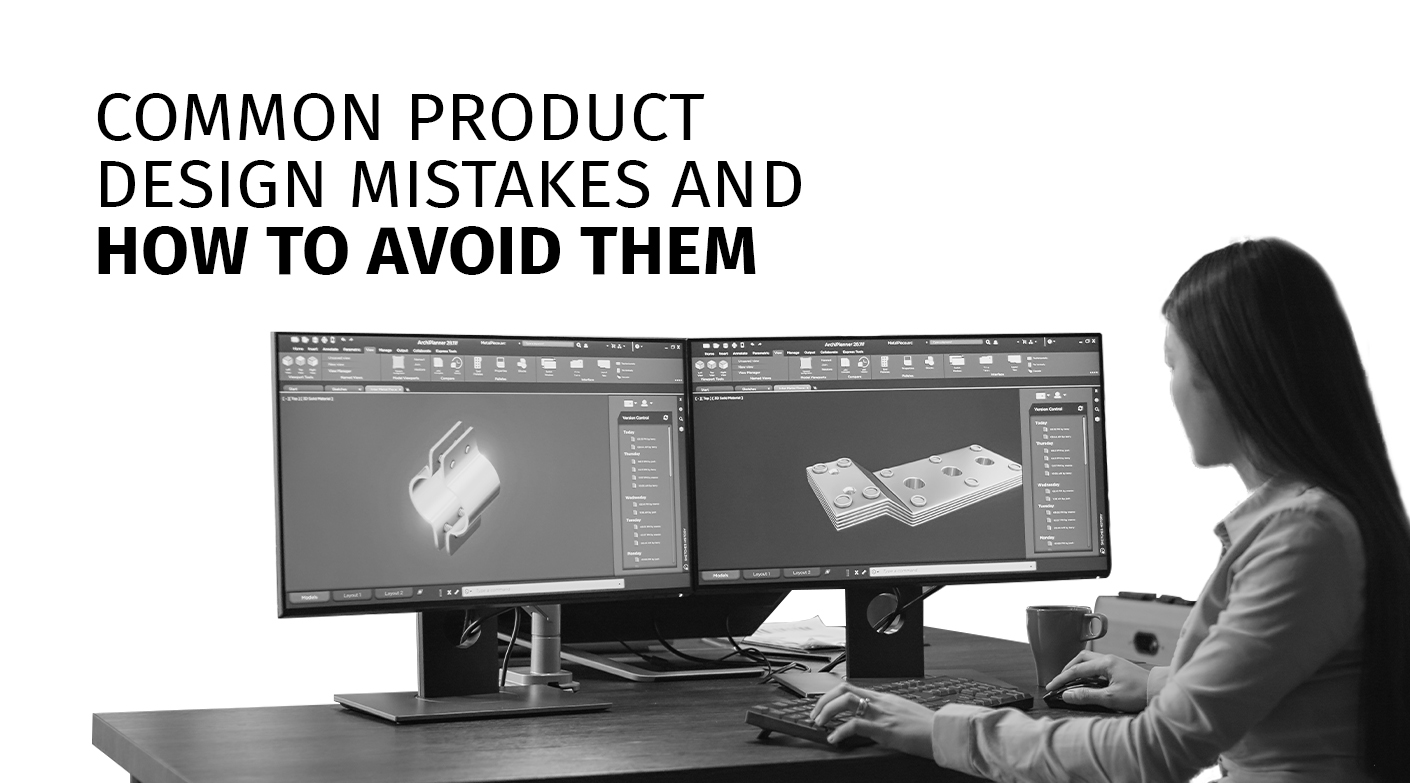
What if your product fails, not due to a bad idea, but because the design overlooked something critical? That is the harsh truth that most businesses have to deal with. A brilliant idea can be ruined due to bad implementation, lack of user considerations, or rushed decisions.
As a matter of fact, the path to the market is full of traps that cannot be seen, and even a team of experienced people cannot avoid product design mistakes. Escaping such pitfalls is not only a technical imperative but also a strategic benefit. This is where the role of industrial product design companies in modern manufacturing becomes increasingly crucial. They introduce systematic thinking and precision in engineering to make products not only work in theory, but also in the actual markets.
This blog discusses the most frequent product design mistakes and, most importantly, how it is possible to prevent them.
9 Key Product Design Mistakes and How To Avoid Them
1. Ignoring User-Centric Design
A lack of focus on the end user is one of the biggest design mistakes in product development. A lot of companies make the products according to their assumptions and not based on user behavior, resulting in low adoption and bad usability.
A product may look innovative on paper, but if it doesn’t solve a real problem or feels complicated to use, it will struggle in the market. User-centric design involves learning the pain points, behavior, and expectations of users through research, testing, and feedback loop usage.
How to Avoid It:
- Conduct user research at an early stage (interviews, surveys, usability tests).
- Create user personas as well as buyer’s journey maps
- Test and prototype
Industrial design companies, such as Cubein, tend to combine the human-centered approach to design with the development process and make sure that all the features are relevant to real-life applications.
2. Overcomplicating the Design
Complexity is often mistaken for innovation. Excessive features and complexity of mechanisms may confuse users and raise the cost of production.
It is one of the least considered design errors in product development, particularly in situations when the teams attempt to overdifferentiate their product. The result? A product with low usability, manufacturability, and maintainability.
How to Avoid It
- Concentrate on core functionality and value proposition
- Apply the “less is more” principle
- Focus on simplicity, both in form and in functionality
A team with experience in design simplifies features without affecting the performance, thus making the end product clear and efficient.
3. Lack of Prototyping and Testing
Skipping or rushing prototyping is a costly mistake. Without proper validation, design flaws remain hidden until production, when fixing them becomes expensive and time-consuming.
Moreover, insufficient testing and validation are often cited as a reason why 42% of startups failed due to the absence of market product-market fit. This highlights the need to ensure that testing is done in the initial stages to avoid simple design mistakes.
How to Avoid It:
- Create numerous prototypes (low-fidelity to high-fidelity)
- Carry out real-world testing scenarios
- Revise according to feedback
4. Ignoring Manufacturing Constraints
Products that are not designed with full understanding of the feasibility of manufacturing may result in delays, cost overruns, and lower quality.
How to Avoid It:
- Early partnership with the manufacturing teams
- Apply Design for Manufacturing (DFM) concepts
- Optimize materials and processes
Here, the role of industrial product design companies in modern manufacturing comes into play. Such companies as Cubein fill in the space between design and production, making it feasible and scalable.
5. Poor Material Selection
The selection of the wrong materials will affect the durability, cost, sustainability, and user experience. This mistake is prevalent when the focus is on the looks or price and not on the functionality.
For example, using a light material can reduce costs, but it may compromise strength, leading to product failure.
How to Avoid It:
- Evaluate material properties (strength, weight, durability)
- Take into consideration the environmental impact and sustainability
- Balance cost and performance
Material analysis and testing are carried out by professional design firms in order to optimize the choice of materials in terms of functionality and durability.
6. Ignorance of Ergonomics and Aesthetics
The success of a product is not only determined by functionality but also by the feel and appearance of the product. Not considering ergonomics may cause discomfort, and poor aesthetics may decrease the market share.
This is especially crucial when it comes to consumer-based products (electronics, appliances, and so on) whose purchasing decisions depend on the visual image and the experience of their use.
How to Avoid It:
- Include ergonomic research in the design
- Match brand image with aesthetics
- Physically test user interaction
A skilled industrial product design company in India, Cubein, not only makes products attractive but also comfortable to use, which boosts the satisfaction of the user.
7. Inadequate Market Research
Introducing a new product without knowledge of the market situation is a great risk. This involves overlooking competition, pricing strategies, and customer expectations. Even well-developed products can be deprived of their audience without due research.
How to Avoid It:
- Competitor and market analysis
- Determine the target audience and groups
- Check demand prior to development
Strategic design partners involve market insights in the product development, which will make sure the product is in line with the real-world demand.
8. Lack of Inter-team Communication
Lack of alignment between design, engineering, and marketing teams may result in inconsistency. Lack of communication can cause unmet requirements, delays, and repetitions. This is among the most operationally harmful design errors in product development.
How to Avoid It:
- Create effective communication channels
- Use collaborative tools and documentation
- Align departmental goals
In most cases, industrial design firms tend to be a key coordination point, facilitating the interaction of stakeholders so that the implementation occurs smoothly.
9. Underestimating Time and Budget
Many projects fail because timelines and budgets are unrealistic. This causes hasty decisions, a lack of quality, and unfinished tests.
How to Avoid It:
- Prepare realistic schedules with buffer time
- Budget prototyping and testing
- Monitor progress continuously
The professional design teams implement organized project management strategies to minimize the risks associated with underestimation.
How Industrial Product Design Companies Help Avoid These Mistakes
Indian industrial product design companies, such as Cubein, have a transformational role of reducing risks and maximizing product success. Their multi-disciplinary experience would make design, engineering, and business objectives harmonious.
They offer:
- User-centered design methodologies
- State-of-the-art prototyping and testing
- Manufacturing and material expertise
- Strategic market insights
By capitalizing on these capabilities, companies are able to circumvent pitfalls and speed up time-to-market without hesitation.
Conclusion
Preventing product design flaws is not merely the process of rectifying the errors but rather the creation of a wiser, more tactical development procedure. Each step is important, starting with user research and manufacturing alignment.
A sophisticated product development requires skills, teamwork, and vision. Here is where firms such as Cubein come in exactly, with design creativity and engineering accuracy, they develop products that will not only perform well on paper but also in reality, in the market.
In case you are planning to reduce risks, increase the user experience, and implement high-quality products, collaborating with suitable design specialists, Cubein might be the most helpful decision that you can make.
| Ready to turn your product idea into a market-ready success? |
FAQs
1. What are the most frequent product design errors?
Notable errors are neglecting user requirements, excessive complexity of design, inaccurate choice of material, and absence of testing. These problems may cause the product’s failure, even with a good idea.
2. Why do we design products in a user-centric way?
The user-centric design makes the product easily usable and solves actual problems. It enhances customer satisfaction and chances of succeeding in the market.
3. How can industrial product design companies be beneficial to business?
They provide a degree of experience in design, prototyping, and manufacturing, and ensure that their products are functioning, scalable, and market-ready without incurring costly mistakes.
4. What is the aim of prototyping in product design?
Prototyping assists in finding out the weaknesses in the design at an early stage and enables a better result through iteration. It alleviates risks and guarantees the performance of the final products.
Other Blog
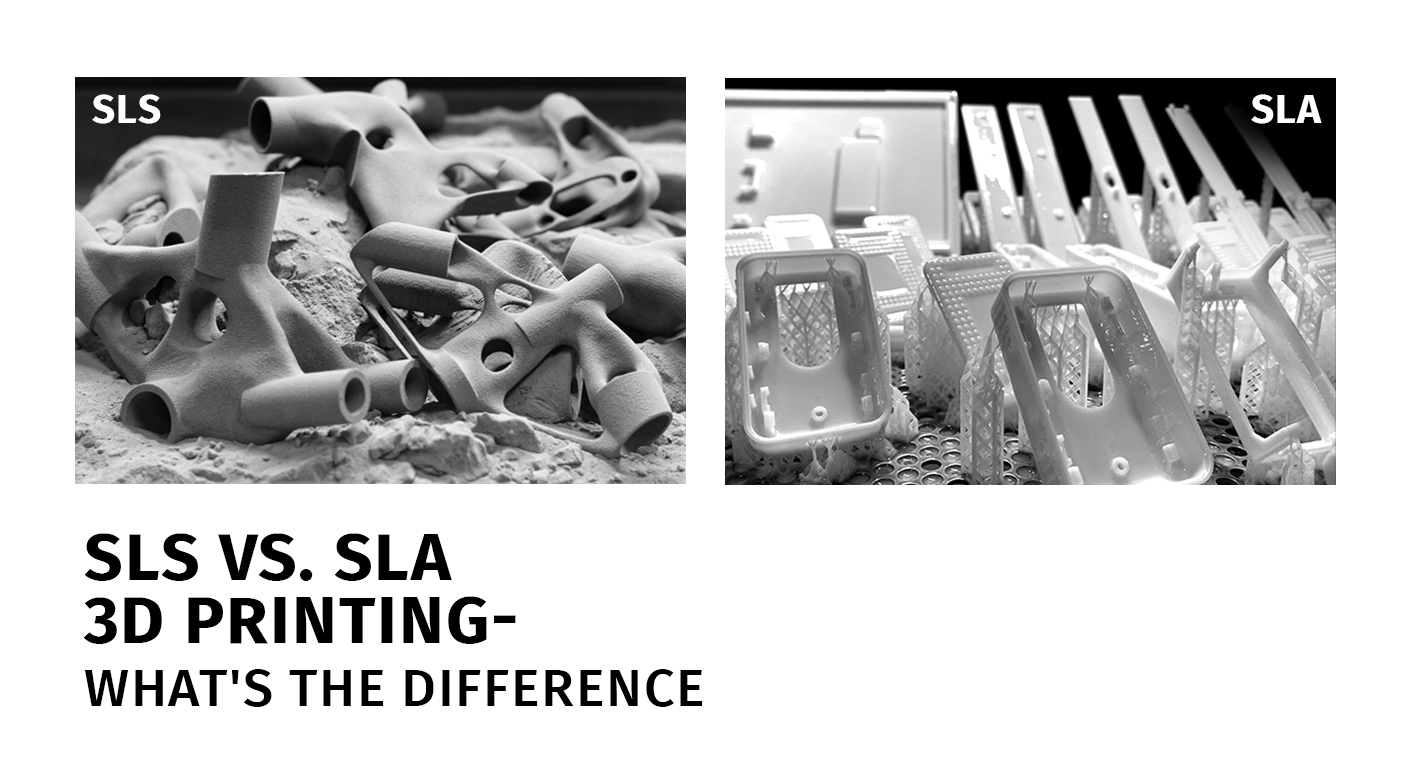
SLS vs. SLA 3D Printing – What’s the Difference
SLS vs. SLA 3D Printing – What's the Difference
Read More
Navigating Low Volume Production in the field of Rapid ...
Navigating Low Volume Production in the field of Rapid Prototyping
Read More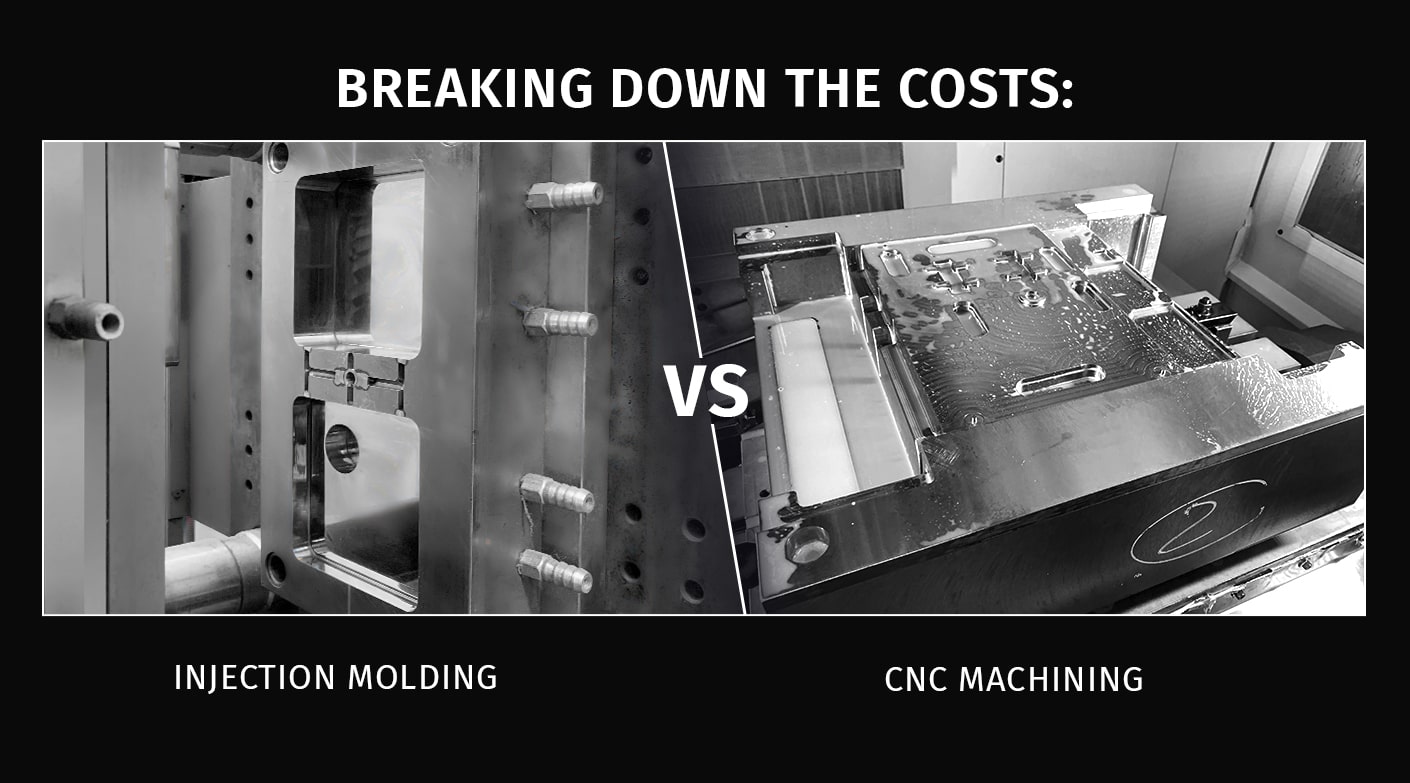
Breaking Down the Costs: Injection Molding vs. CNC Mach...
Breaking Down the Costs Injection Molding vs. CNC machining
Read More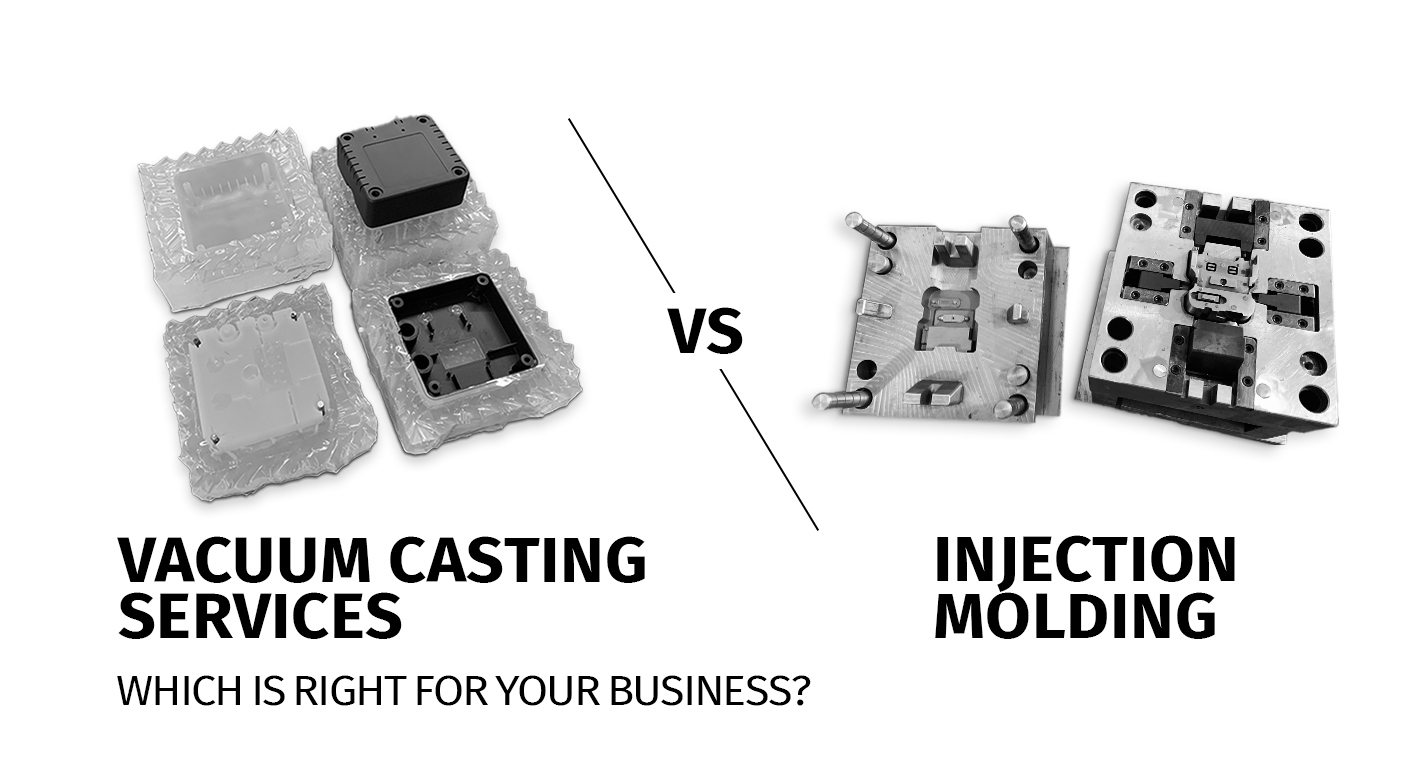
Vacuum Casting Services vs. Injection Molding: Which is...
Vacuum Casting Services vs. Injection Molding: Which is Right for Your Business?
Read More
Industrial Product Design Strategies for High-Performan...
Industrial Product Design Strategies for High-Performance Products
Read More
Accelerate Product Launches with Contract Manufacturing...
Accelerate Product Launches with Contract Manufacturing Solutions
Read More
Original Design Manufacturer: Reducing Risk in Product ...
Original Design Manufacturer: Reducing Risk in Product Launches
Read More
What is SLS 3D Printing? Explore SLS 3D Printing Applic...
What is SLS 3D Printing? Explore SLS 3D Printing Applications
Read More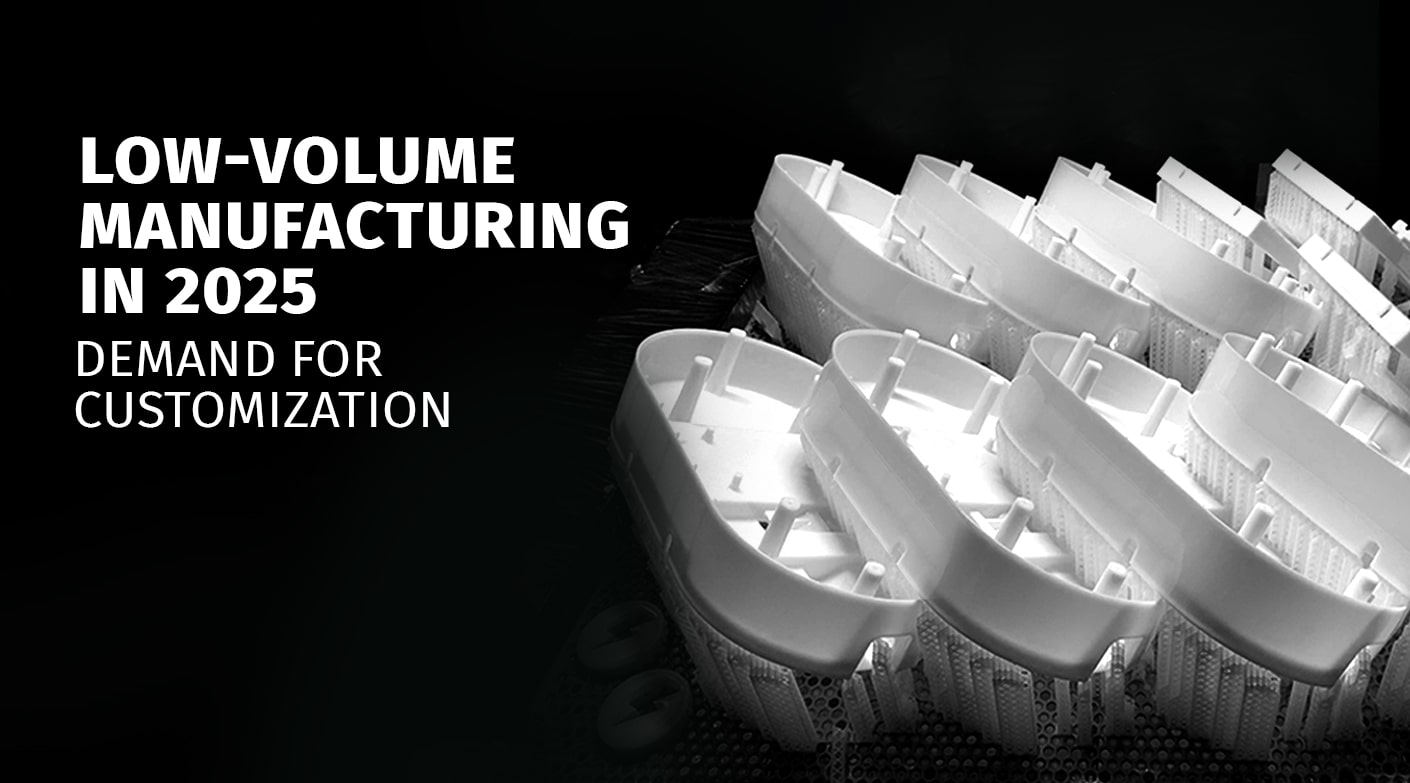
Low-Volume Manufacturing in 2025: Demand for Customizat...
Do you know what’s the common thread connecting Porsche’s sports car seat, Rolls Royce’s brackets, a
Read More