

Vacuum Casting Services vs. Injection Molding: Which is Right for Your Business?
“Do you really need thousands of parts before proving that your product actually works?” Today, it’s a question that has transformed modern manufacturers’ approach to development.
Many companies invest heavily in tooling and production before validating their designs only to discover costly changes later. Some suffer from long lead times, delayed product launches, and reduced competitiveness. This is where the choice between Vacuum Casting and Injection Molding becomes important.” to phrase it more naturally.
Both production processes have proved to be valuable in product development and production. But the wrong selection can add expense, delay, and inflexibility at critical points of innovation. Let’s compare them.
Understanding Vacuum Casting
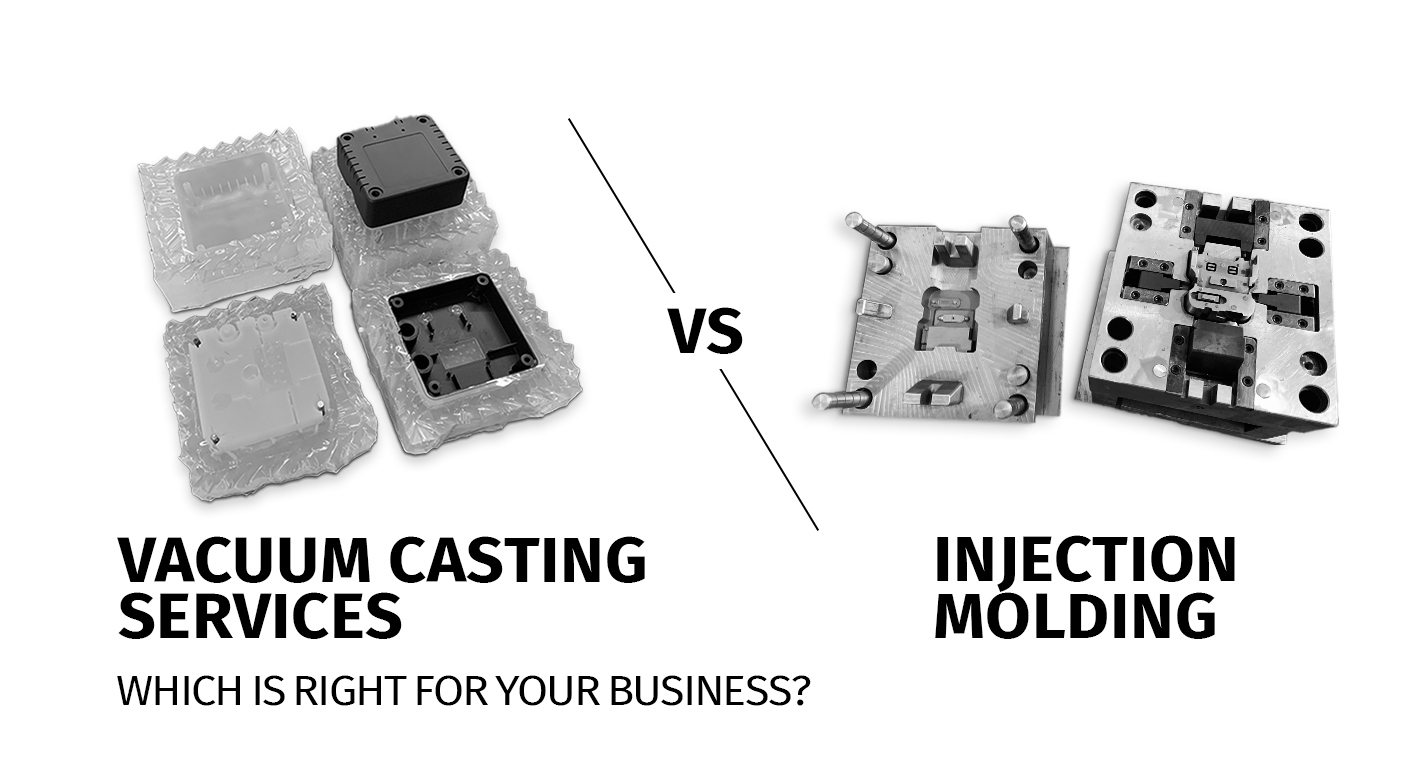
Often referred to as Vacuum Casting 3D printing, this process begins with highly accurate master model created using 3D printing or CNC Machining. This master model is then used to create a silicone mold. The mold is filled with polyurethane resin under vacuum, which removes air bubbles and results in high detail reproduction.
The outcome is a component that looks, feels, and functions much like an injection-molded part but is produced is produced more quickly and cost-effectively.
It is a common manufacturing process used for:
- Functional prototypes
- Product validation
- Design testing
- Small-batch production
- Market trial products
- Pre-production runs
Vacuum casting is an effective solution for businesses that need superior parts but can’t afford the extensive tooling investment.
What is Injection Molding?
Injection molding is a manufacturing process in which molten plastic is injected into a precision-engineered metal mold at high pressure.
After cooling, the material solidifies and is ejected from the mold. The process is repeated quickly and is suited for mass production.
A skilled injection molding company, such as Cubein, can make thousands or even millions of exact components with remarkable uniformity.
The following are typical applications of injection molding:
- Consumer electronics
- Automotive parts
- Medical devices
- Industrial components
- Household products
- High-volume consumer goods
Investment required in metal tooling can be high, but the per-unit cost will be very low when it is scaled up.
Vacuum Casting Services vs. Injection Molding: Key Differences
1. Tooling Cost
One of the most significant differences is in tooling costs. Vacuum casting uses silicone molds that are that are significantly more affordable and easier to manufacture. This is great for companies that want to test a product before committing to large-scale production.
Precision-machined metal molds are most often used in injection molding and are made from steel or aluminum. These molds cost more, but are used for longer production runs.
Vacuum casting can help minimize the financial risk for startups or companies that are creating new products at an early stage.
2. Production Volume
The quantity of production is frequently a key determinant.
Vacuum casting works very well with:
- 10–100 units
- Prototype batches
- Product demonstrations
- Market testing
Injection molding becomes economically advantageous when manufacturing large quantities. Injection molding is generally more cost-effective for mass production.
3. Speed and Lead Time
Reducing time to market is a significant competitive edge.
With vacuum casting:
- Silicone molds can be produced quickly
- Changes in design are easier to make
- Multiple iterations can be completed rapidly
Vacuum Casting has significantly shorter lead times by allowing rapid mold production and quicker design validation cycles.
Typical requirements for injection molding include:
- Mold design
- Tool manufacturing
- Testing and adjustments
- Production setup
These stages can extend project timelines considerably.
4. Surface Finish and Detail Accuracy
Both manufacturing processes produce good results, but for different purposes.
The advantages of vacuum casting are:
- Fine detail reproduction
- Smooth surface quality
- Accurate texture replication
- Tight dimensional tolerances
Silicone molds can accurately reproduce highly detailed geometrics. The vacuum environment also removes air bubbles, which guarantees better consistency.
Injection molding can achieve a good finish quality, especially after optimizing the tools. But reaching that degree of precision can be costly.
5. Design Flexibility
Design changes are common as businesses gather feedback, test, and adjust their designs.
Vacuum casting is more flexible because:
- Silicone molds can be easily altered
- New mold forms can be rapidly generated
- Design iterations are affordable
The tooling change during development is costly and time-consuming, which is less flexible for injection molding.
Vacuum casting enables accelerated innovation cycles in companies that are still developing their products.
6. Material Selection
Injection molding provides a wide selection of production-grade plastics that can be used in high-volume manufacturing.
Advanced polyurethane resins are used in vacuum casting to simulate different production materials.
These resins can replicate characteristics like:
- ABS-like rigidity
- Rubber-like flexibility
- Transparency
- Heat resistance
In prototype and low-volume production applications, vacuum casting materials may offer adequate functional performance at an economical price.
The Role of Vacuum Casting 3D Printing in Modern Product Development
The demand for quick product development is driving the adoption of vacuum casting. According to a recent market study, the global vacuum casting machine market will expand at around 6.1% CAGR from 2024 to 2034 driven by the growing demand for accurate prototypes and faster product development. Nowadays, additive manufacturing is often combined with vacuum casting in the production of modern products.
The master pattern is frequently manufactured by sophisticated 3D printing techniques and and then used to create silicone models silicone molds.
This combination provides several advantages:
- Faster prototype creation
- Reduced development costs
- Excellent surface finish
- High precision of complex details
- Quick design modifications
Companies can test products for performance, gather feedback from customers, and validate design functionality within a fraction of the time required to produce metal tooling.
This is one of the reasons that vacuum casting 3D printing is a sought-after technology in every sector, from automotive to healthcare, consumer electronics to more.
When Should You Choose Vacuum Casting?
Vacuum casting is typically the more desirable option when:
- You need prototypes quickly
- Production volumes are low
- Product designs are still evolving
- Market validation is necessary
- Budget constraints exist
- Precise detail replication is crucial
Vacuum casting is often employed by companies when they are about to produce a new product.
When Should You Choose Injection Molding?
Injection molding is advantageous when:
- Production volumes are high
- Designs are finalized
- Long-term unit cost reduction is important
- Product demand is proven
- Large-scale consistency is required
Once production volumes reach a higher level, a professional injection molding company such as Cubein can provide unmatched efficiency.
Conclusion
The debate between vacuum casting services and injection molding services is not about which is better; it’s about which makes more sense for your business objectives.
Vacuum casting has several advantages, particularly if you are looking for flexibility and low-volume production. Once your product is market ready, and requires large scale production, injection molding becomes the preferred choice.
As a trusted manufacturing partner, Cubein, combines advanced injection molding and product development capabilities to support your production goals. At Cubein, we help you transform your innovative ideas into market-ready products quickly and with confidence.
| Deciding between vacuum casting and injection molding? |
FAQs
1. What is the key difference between vacuum casting and injection molding?
The process of vacuum casting involves producing prototypes and small production runs with silicone molds, while injection molding uses metal molds to produce high-volume production runs.
2. Can vacuum casting be used for functional product testing?
Yes. Vacuum casting can be used to produce very accurate castings, with excellent surface finish and material properties.
3. Why is Vacuum Casting Service in India so popular?
Indian manufacturers are increasingly switching to vacuum casting because of its quick turnaround time, low tooling cost, and its applicability to startups and product development teams.
4. Is it possible to completely replace the injection molding process with vacuum casting?
Not always. Vacuum casting is great for prototypes and low-volume production, whereas injection molding is more suitable for mass market and high-volume production.
Other Blog
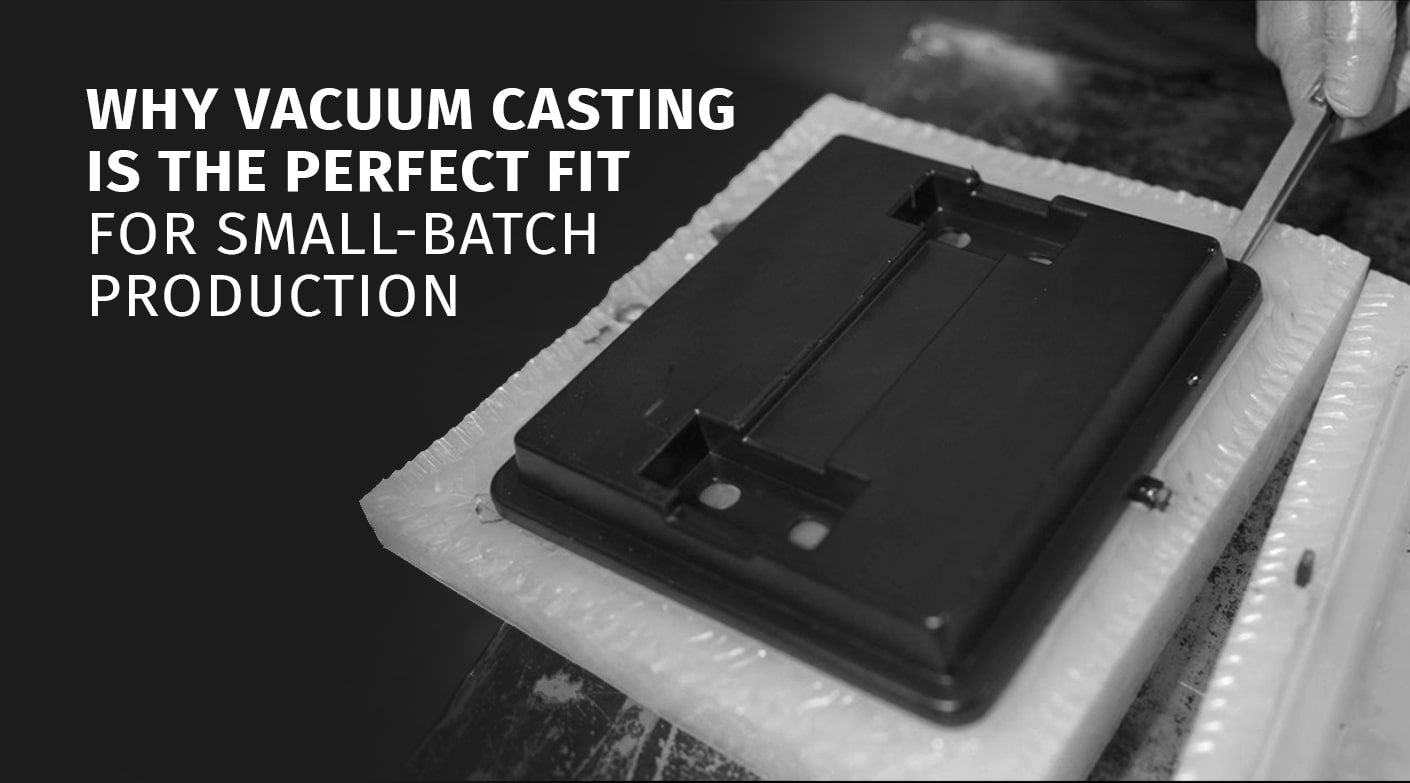
Why Vacuum Casting is the Perfect Fit for Small-Batch P...
Cubein, stands as a reliable vacuum casting service provider, delivering high-quality solutions.
Read More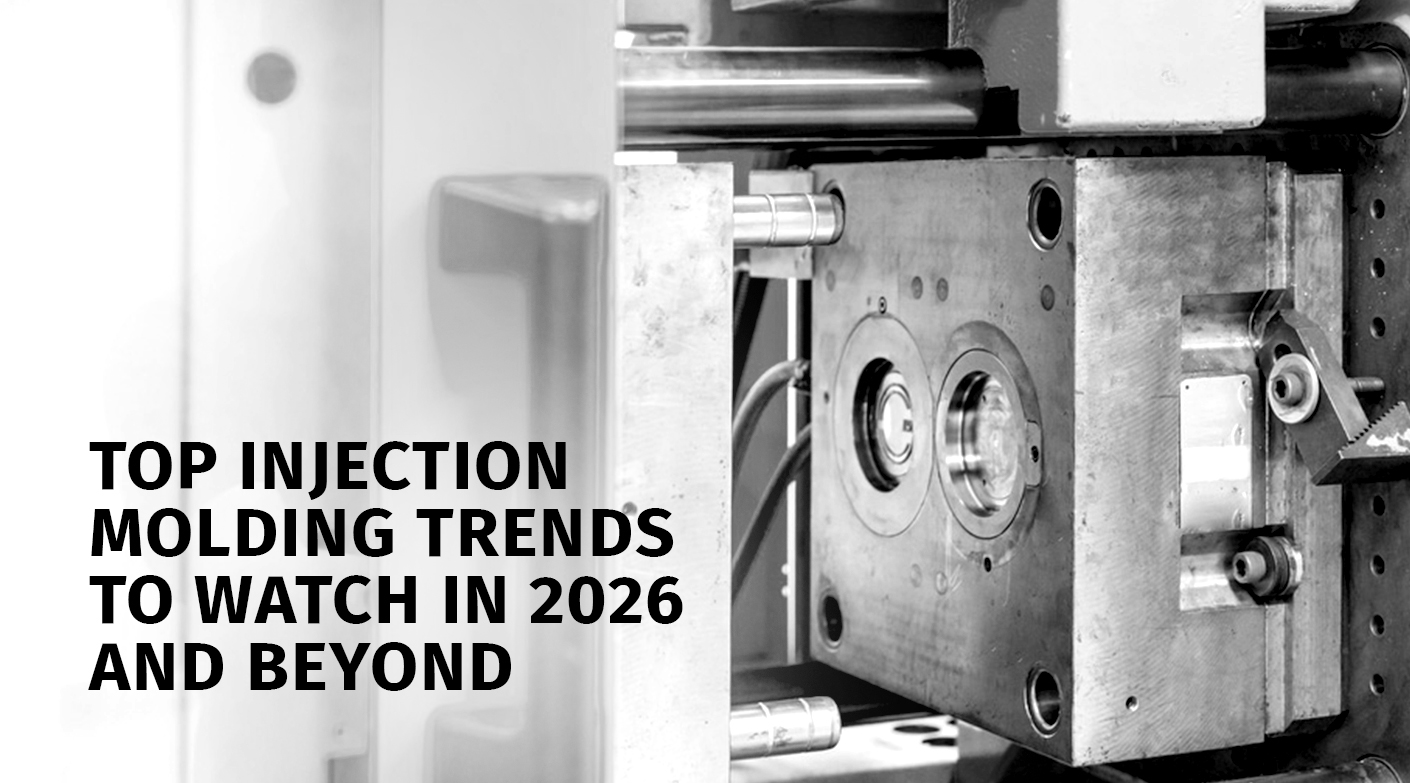
Top Injection Molding Trends to Watch in 2026 and Beyon...
2026 Injection Molding Trends Manufacturers Must Know
Read More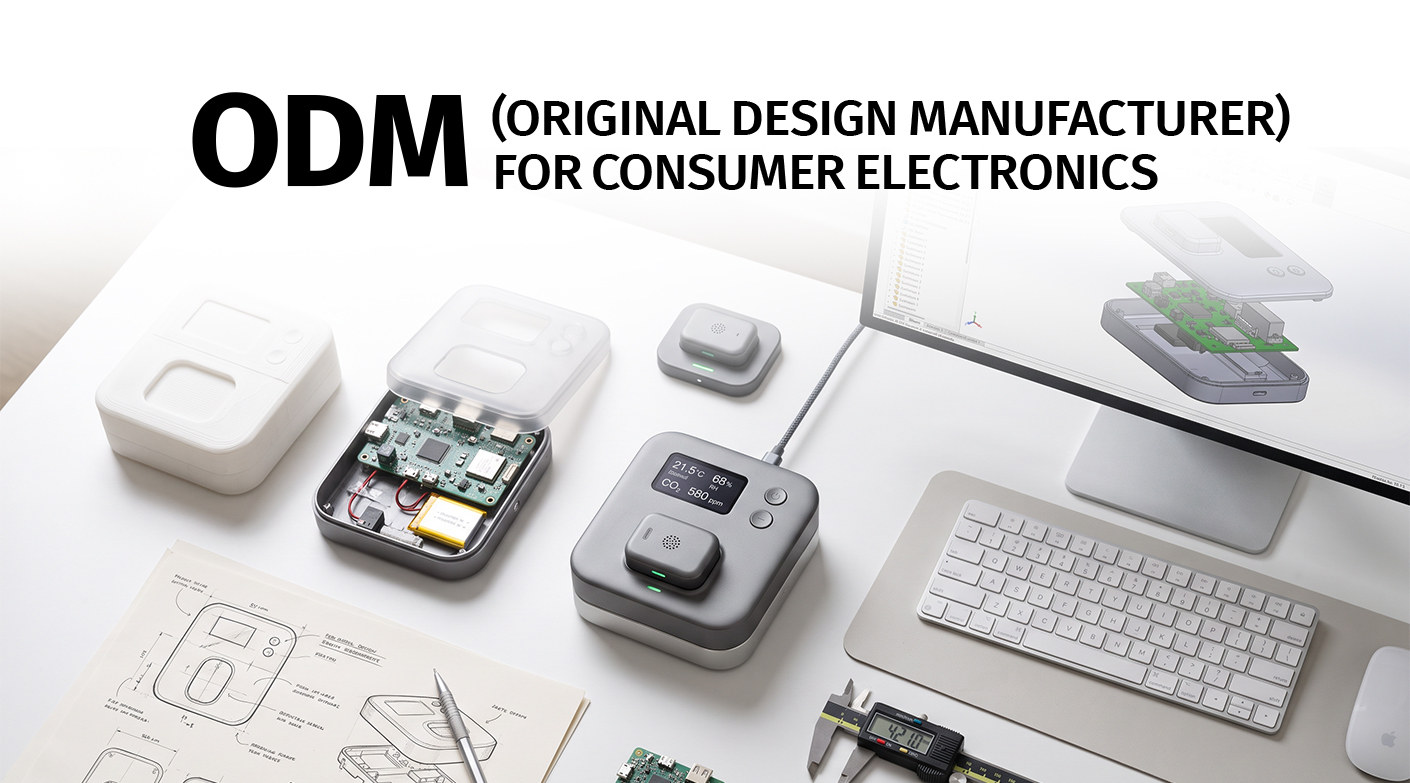
ODM (Original Design Manufacturer) for Consumer Electro...
ODM (Original Design Manufacturer) for Consumer Electronics
Read More
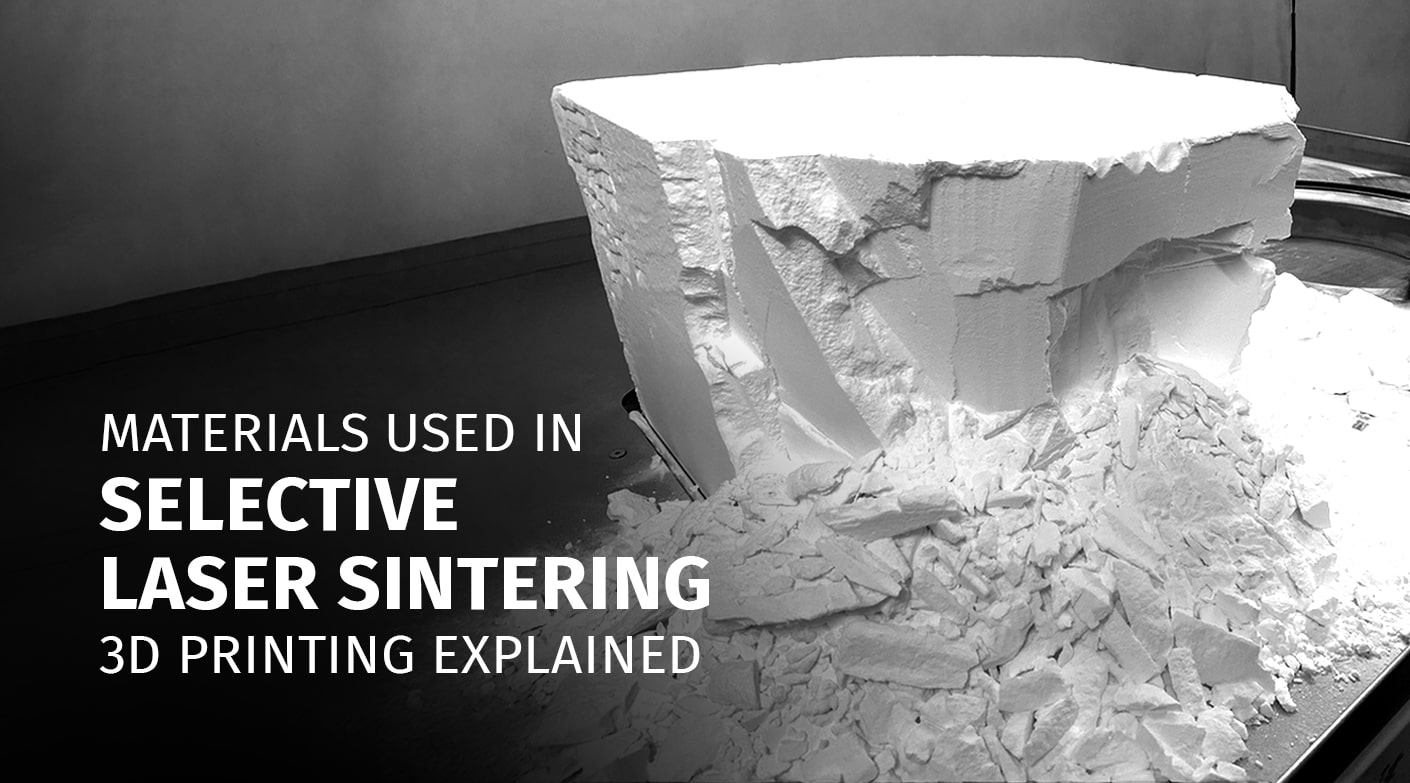
Materials Used in Selective Laser Sintering 3D Printing...
Materials Used in Selective Laser Sintering 3D Printing Explained
Read More
Industrial Product Design Strategies for High-Performan...
Industrial Product Design Strategies for High-Performance Products
Read More
High Quality, Reliable, Quick 3D Printing Services in B...
High Quality, Reliable, Quick 3D Printing Services in Bangalore
Read More