Fused Deposition Modeling 3D Printing for Industrial Parts
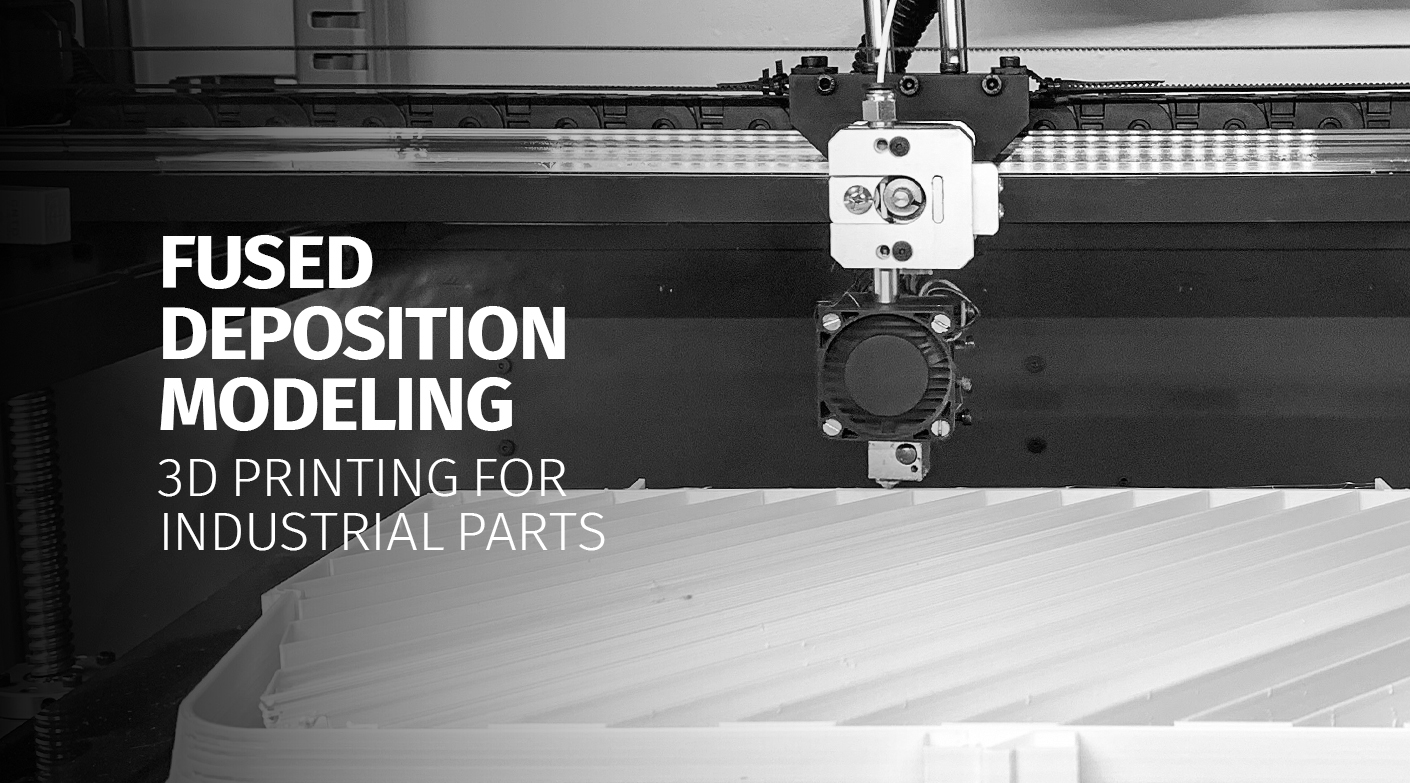
Fused deposition modeling (FDM) is a very widely used technique for additive manufacturing and 3D printing. It enables businesses to convert digital designs into physical components through layer-by-layer material deposition, supporting component testing, design refinement, and the production of functional parts.
FDM 3D printing is a cost-effective and practical option for prototype development, design testing, and production of custom parts for clients and manufacturers, without the cost of tools needed. This technology can be used to enhance design control, speed, and flexibility in product development, from equipment housings to assembly fixtures.
However, producing a component involves more than converting a CAD file into a physical part. The performance of the final part is dependent on the material used, the geometry of the parts, and the orientation in which the part is printed. Let’s understand more about FDM.
What is Fused Deposition Modelling 3D Printing?
FDM is an additive manufacturing processin which heated thermoplastic filament is extruded through a nozzle and deposited layer by layer to create a three-dimensional component.
FDM starts with making a CAD model, and slicing software is used to convert it into a set of instructions. During printing, the heated material is deposited layer by layer, cooling and bonding with the preceding layers to form the final component.
Unlike the traditional production process, FDM builds components by depositing material layer by layer, reducing the need for dedicated production tooling. Therefore, this technique can also be used for product prototyping and small batch production, as well as for design changes that do not require high investment in producing injection moulds.
FDM 3D Printing For Industrial Applications
Industrial components must be compatible with certain criteria for their dimensions, durability, assembly, and functions. During product development, engineers can use FDM not only to validate designs but also to manufacture selected components for end-use applications, where the material and performance requirements permit.
Examples include:
- Functional prototype: Used to evaluate component dimensions, fit, assembly compatibility, and basic functionality.
- Jigs and fixtures: Tools are designed and manufactured for placement and holding of various elements for assembly and inspections.
- Enclosures of equipment: Used to develop housings and protective covers for electrical equipment and industrial devices.
- Validation design models: These models are used to evaluate the ergonomics, accessibility, and the entire manufacturing process of the final product before creating it.
For FDM technology, the properties of the produced parts depend on various factors, including the material used, temperature conditions, mechanical load, and the environment where the materials are exposed.
Why Manufacturers Choose FDM for Industrial Components
1. Faster Design Iterations
With physical prototypes, it becomes possible to notice design and assembly problems sooner, which helps reduce the time spent on changes in tooling.
2. Low Cost of Customisation
FDM can reduce the cost of producing customised components, product frames, and selected low-volume parts, particularly when conventional tooling is not justified.
3. Material Versatility
The choice of materials, such as PLA, ABS, PETG, or certain types of nylon, is based on functionality requirements.
4. Design Flexibility
Complex forms and personalised patterns can be utilised without the restrictions of traditional production methods.
Studies conducted in the industry point towards an increased reliance on additive manufacturing. For example, the results of a survey showed that 97% of participants are using 3D printing for end items and functional models, illustrating that additive technology is no longer limited to prototyping purposes.
For manufacturers, the challenge is not simply adopting 3D printing, but identifying where the technology can add value within their production and product development processes.
Comparing SLA vs. FDM 3D Printing for Industrial Parts
Though FDM and SLA are both based on 3D printing technology, they differ in materials used and surface quality.
| Factor | FDM | SLA |
| Material | Thermoplastic filament | Photosensitive resin |
| Surface finish | Visible layer lines are common | Generally smoother surfaces |
| Mechanical properties | Depend on material and layer bonding | Depend on resin formulation and curing |
| Typical applications | Functional prototypes, fixtures, selected durable parts | Detailed prototypes and appearance models |
| Post-processing | Support removal and optional finishing | Washing, support removal, and post-curing |
When comparing FDM and SLA, the intended application and functional requirements of the component should guide the process selection, alongside surface finish and other design considerations.
For example, when considering the use of an assembly fixture made of a material that has similar properties in terms of loads and wear, an FDM technology would be the best option. If the prototype of the product requires details and a smooth printed surface, SLA technology should be used.
Tips for FDM (Fused Deposition Modeling) 3D Printing
Effectiveness and quality of printed features depend on tiny details in their design. The following factors should be evaluated before finalising a design for printing.
- Choose the right type of material: When deciding on the type of material to use, you need to take into consideration the influence of moisture and chemicals rather than only the cost of the material.
- Optimise printing orientation: Print orientation influences the directional strength of FDM components because layer bonding can affect how the part responds to applied loads.
- Design for manufacturability: The thickness of the walls, the angles of the overhangs, the dimensions of the holes, and tolerances must be designed in a way that minimises the amount of additional support and the time of printing.
- Select the right parameters of printing: The parameters of such features as filling level, thickness of the wall, height of the layer, and bonding play a major role in ensuring the strength of the printed element.
- Test the new product: The testing of the final product should comprise the measurements of the size, fit, and work of the object.
For repeatability, document the selected material, print orientation, and process settings whenever the same component is produced across multiple print runs.
When to Use FDM 3D Printing Services?
Many organisations may not have the equipment, material capabilities, or technical expertise required for in-house prototyping and product development.
Using professional 3D printing services can be a great help for companies not to invest in new production equipment or machines. It is beneficial when prototypes are made, when you need to improve them, to produce small batches of products, or to run tests.
Before approaching a 3D printing service provider, define the component requirements, material specifications, dimensional tolerances, production quantity, and post-processing needs.
Conclusion
Fused deposition modeling is a technique that allows a flexible creation process when it comes to making prototypes. It gives companies great possibilities to do production without spending much on tooling costs.
Cubein has been providing industrial design services, rapid prototyping, and contract manufacturing, which help companies and entrepreneurs to visualise their product ideas and consider their production aspects as well.
The objective extends beyond producing an individual component. It is to develop a part that meets its intended functional requirements and supports an efficient product development process.
| Ready to turn your idea into a functional product? |
FAQs
1. What is fused deposition modeling technology?
Fused deposition modeling is a type of prototyping technology that uses plastic and other materials to produce functional parts.
2. Which materials are used in FDM 3D printing?
Common materials used in FDM 3D printing include PLA, ABS, PETG, and various grades of nylon. Material selection depends on the component’s mechanical requirements, operating environment, and intended application.
3. Is FDM better than SLA in the production of industrial parts?
FDM allows for creating functional components, whereas SLA is usually used to create more detailed prototypes.
4. Is low-volume production possible with FDM 3D printing?
Yes, low-volume production is possible; however, the part quality and material properties have to be appropriate for this process.
Other Blog
How Vacuum Casting Services Help Reduce Production Cost...
How Vacuum Casting Services Help Reduce Production Costs and Lead Times
Read More
OEM vs ODM Manufacturing: Which is Right For Your Busin...
OEM vs ODM Manufacturing: Which is Right For Your Business
Read More
What is SLS 3D Printing? Explore SLS 3D Printing Applic...
What is SLS 3D Printing? Explore SLS 3D Printing Applications
Read More
Vacuum Casting Services vs. Injection Molding: Which is...
Vacuum Casting Services vs. Injection Molding: Which is Right for Your Business?
Read More
Common Mistakes to Avoid When Selecting a Contract Manu...
Common Mistakes to Avoid When Selecting a Contract Manufacturer
Read More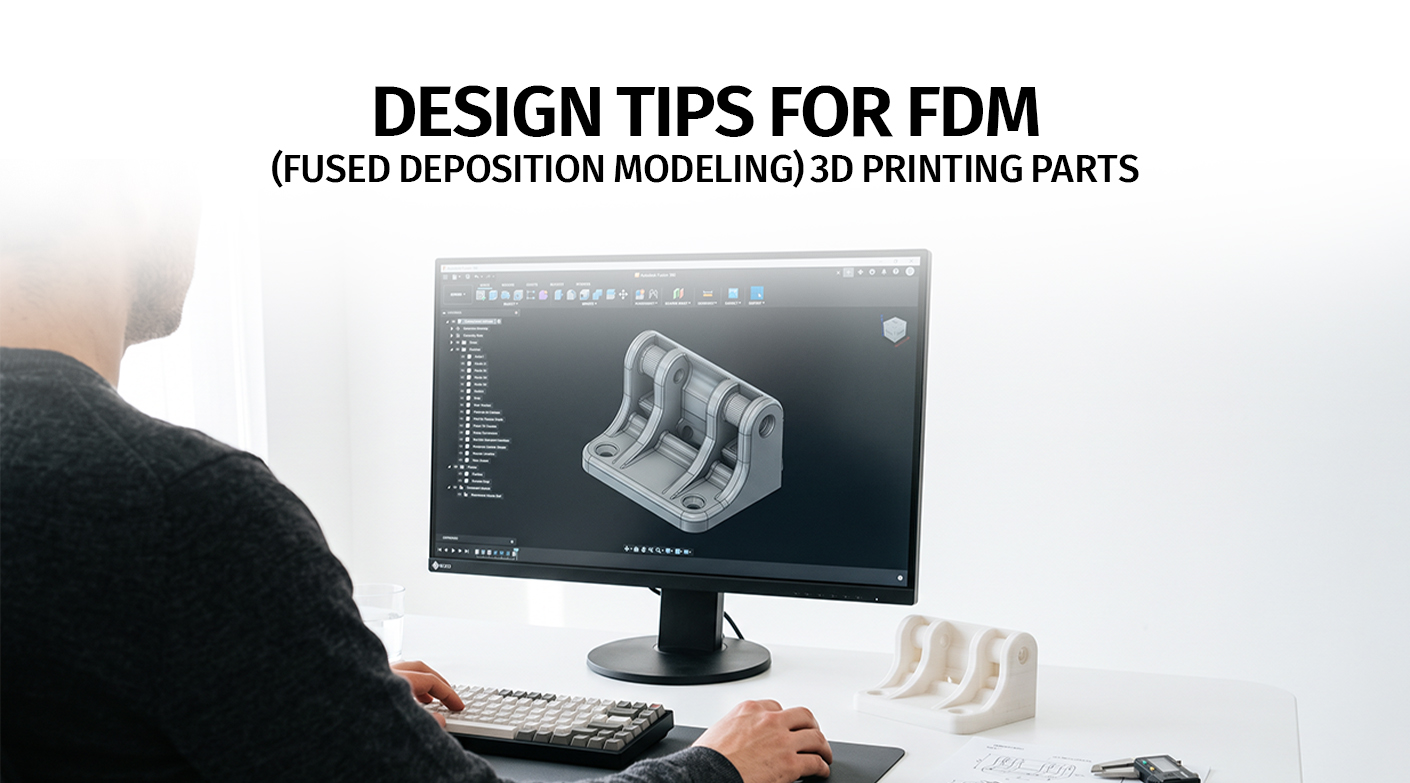
Design Tips for FDM (Fused Deposition Modeling) 3D Prin...
Design Tips for FDM (Fused Deposition Modeling) 3D Printing Parts
Read More