

The Role of Industrial Design in Smart Home Product Development
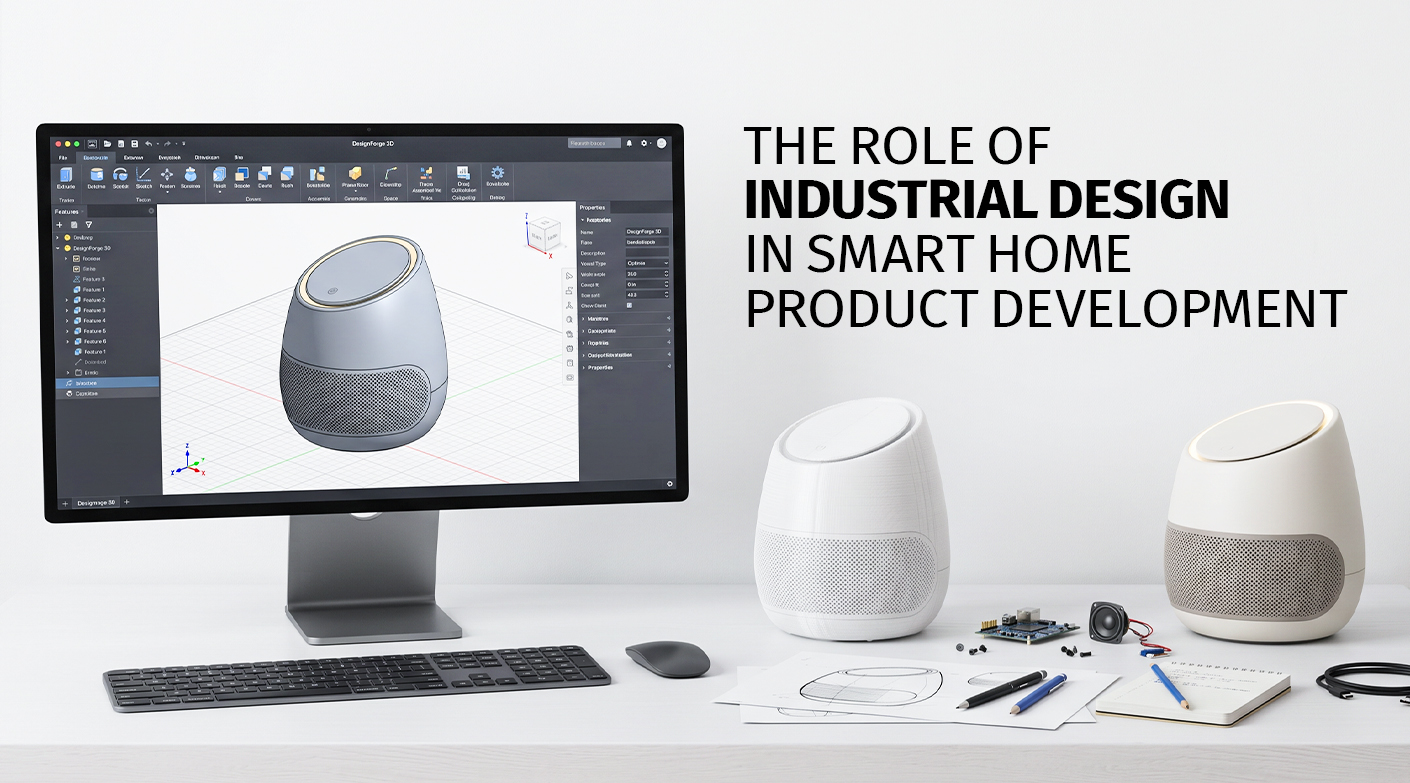
What makes a smart home product feel really “smart”? The technology itself or how easily consumers can use it? Advanced features add value when the product is user-friendly, easy to install, attractive, and durable.
That is where industrial design becomes important. It brings together user needs, engineering requirements, form, function, and manufacturability to create products that are usable, dependable, convenient, and appropriate to today’s home.
This blog explores key stages of smart home product development, including concept ideation, prototyping, engineering validation, feasibility, tooling, and manufacturing.
How Industrial Design Shapes Smart Home Products
Industrial design shapes how a smart home product looks, functions, and interacts well with the surrounding environment. It aligns user needs with technical requirements and ensures the resulting hardware is functional and manufacturable.
1. Turning Complex Technology Into Simple Experiences
Smart home products can contain complex technology within compact enclosures. Sensors, circuit boards, connectors, power components, and mechanical parts may all need to fit within a compact enclosure, and the exterior design has to be simple and user-friendly.
Industrial design helps integrate this underlying complexity into a simple and intuitive physical form.
Consider a smart home sensor mounted on a wall. The user doesn’t need to know the internal architecture of the device to know where it may be placed, how it should be mounted, and how it is used. These interactions should be communicated naturally by its geometry, proportions, controls, and mounting mechanism.
This highlights the close relation between industrial design and usability. It is not only about aesthetics; it’s about how the physical product interacts with the user.
2. Balancing Aesthetics, Ergonomics and Functionality
Smart home products have to function within a home environment; that is why their usability is as crucial as their appearance.
For example, if a device is too big, it may feel intrusive; if the controls are poorly placed, it may be uncomfortable to use; if the enclosure is unnecessarily complicated, it may be difficult to install. Meanwhile, reducing the size of a product without taking into account the components inside can present engineering difficulties.
These considerations are influenced by the materials used, surface finishes, proportions, edges, buttons, openings, and interfaces.
3. Integrating Mechanical and Electrical Requirements
The physical enclosure of a smart home device can’t be designed without considering its internal components. Component placement can influence the product’s form, while the enclosure affects accessibility, assembly, stability, and system integration.
Therefore, electro-mechanical hardware and enclosure design need to be developed together from an early stage.
CAD development and engineering evaluation can help identify conflicts between components and physical structures before production. This integrated approach reflects the evolving role of industrial product design companies in the modern manufacturing landscape. Industrial design is no longer limited to a product’s external appearance; it increasingly integrates physical design with engineering and manufacturing requirements.
4. Using Prototypes to Validate Design
A digital model defines dimensions and geometry, and a physical prototype enables hands-on evaluation by the development team. Rapid prototyping is used to verify the physical size, fit, ergonomics, look, assembly, and functionality of a product prior to the production tooling process.
Technologies such as FDM, SLA, SLS, DLP, vacuum casting, and CNC machining, which can be used depending on the specific prototype needs.
A prototype may show that a smart home device has a hard-to-reach button, a large device enclosure, or conflicting parts within the device. Resolving issues during prototyping is significantly easier than making major changes after tooling or the start of mass production.
For instance, Cubein offers rapid prototyping and engineering validation in addition to industrial design, helping businesses validate physical products before manufacturing.
5. Designing for Manufacturing
A good product concept that looks great is worth nothing if it cannot be economically and reliably produced.
The part geometry, materials, assembly, tooling, manufacturing processes, and production volume are important factors to consider when designing the smart home product.
This is especially important for products intended for injection molding. Design for manufacturing (DFM) helps identify unnecessary complexity early and provides a smoother path from prototype to production.
Choosing the Right Industrial Design Company for Smart Home Product Development
When selecting an industrial design company, it’s not just about its attractive portfolio. Understanding how design decisions affect engineering, prototyping, tooling, and production is essential.
Businesses should consider whether their potential partner can offer:
- Product research and concept ideation
- Product design and development
- Electro-mechanical hardware design
- Rapid prototyping and physical validation
- CAE and engineering assessment
- 3D scanning and reverse engineering
- Low-volume manufacturing
- Injection tooling and production
The ideal partner understands how each stage of product development connects and can evaluate how design decisions may affect production.
Conclusion
Industrial design plays an important role in making the technology within a smart home product into a tangible, user-friendly, and functional experience. Because if a product looks good but does not function well, it ultimately fails to meet its purpose. Therefore, industrial design needs to be at the forefront of the development of connected home products, and not an afterthought.
Products can move from concept to production through concept ideation, electro-mechanical design, prototyping, engineering validation, and manufacturing.
Working closely with industrial design, rapid prototyping, engineering, tooling, and manufacturing teams, Cubein, your trusted industrial design company in India, helps businesses turn their physical product ideas into a manufacturable reality.
| Bring smarter products to market faster with Cubein. |
FAQs
1. What is the significance of industrial design in smart home product development?
Industrial design brings together usability,, ergonomics, functionality, and manufacturability in smart home hardware. It also helps identify design issues before they turn into production issues.
2. What does an industrial design company do for smart home products?
Concept ideation, product design, electro-mechanical hardware design, prototyping, and product validation are all elements that an industrial design company can support. Depending on its capabilities, it may also support tooling and manufacturing.
3. How is rapid prototyping useful in smart home product development?
Rapid prototyping can be used to test the form, fit, function, ergonomics, and assembly of a product prior to production.
4. Why choose an industrial design company in India?
An industrial design firm in India can provide product development expertise while bridging the gap between design, prototyping, and manufacturing.
Other Blog
What is SLS 3D Printing? Explore SLS 3D Printing Applic...
What is SLS 3D Printing? Explore SLS 3D Printing Applications
Read More
High Quality, Reliable, Quick 3D Printing Services in B...
High Quality, Reliable, Quick 3D Printing Services in Bangalore
Read More
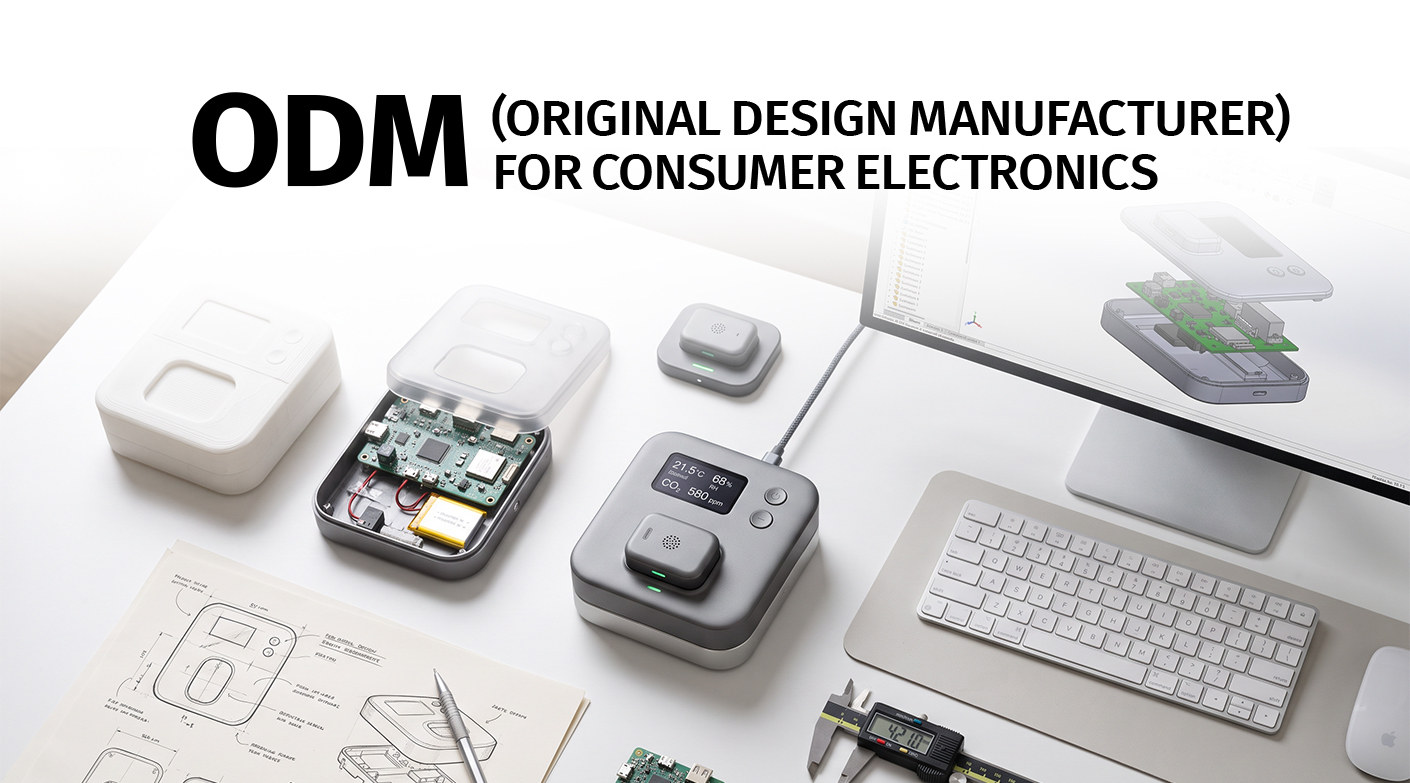
ODM (Original Design Manufacturer) for Consumer Electro...
ODM (Original Design Manufacturer) for Consumer Electronics
Read More
Common Mistakes to Avoid When Selecting a Contract Manu...
Common Mistakes to Avoid When Selecting a Contract Manufacturer
Read More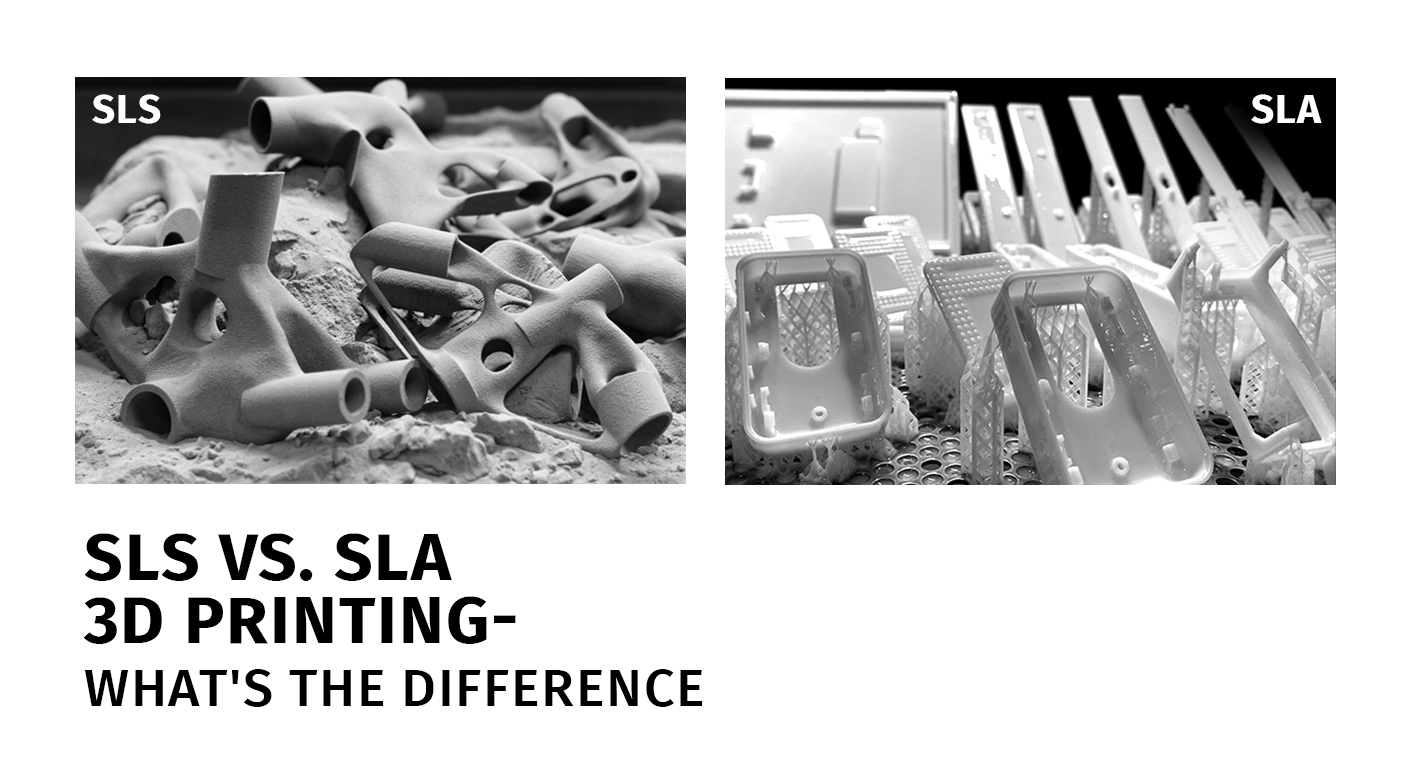
SLS vs. SLA 3D Printing – What’s the Difference
SLS vs. SLA 3D Printing – What's the Difference
Read More
Exploring Popular Applications of Fused Deposition Mode...
Exploring Popular Applications of Fused Deposition Modeling in 3D Printing
Read More
The Complete Guide to Injection Molding Materials
The Complete Guide to Injection Molding Materials
Read More