


When to Use Vacuum Casting Services for Product Development
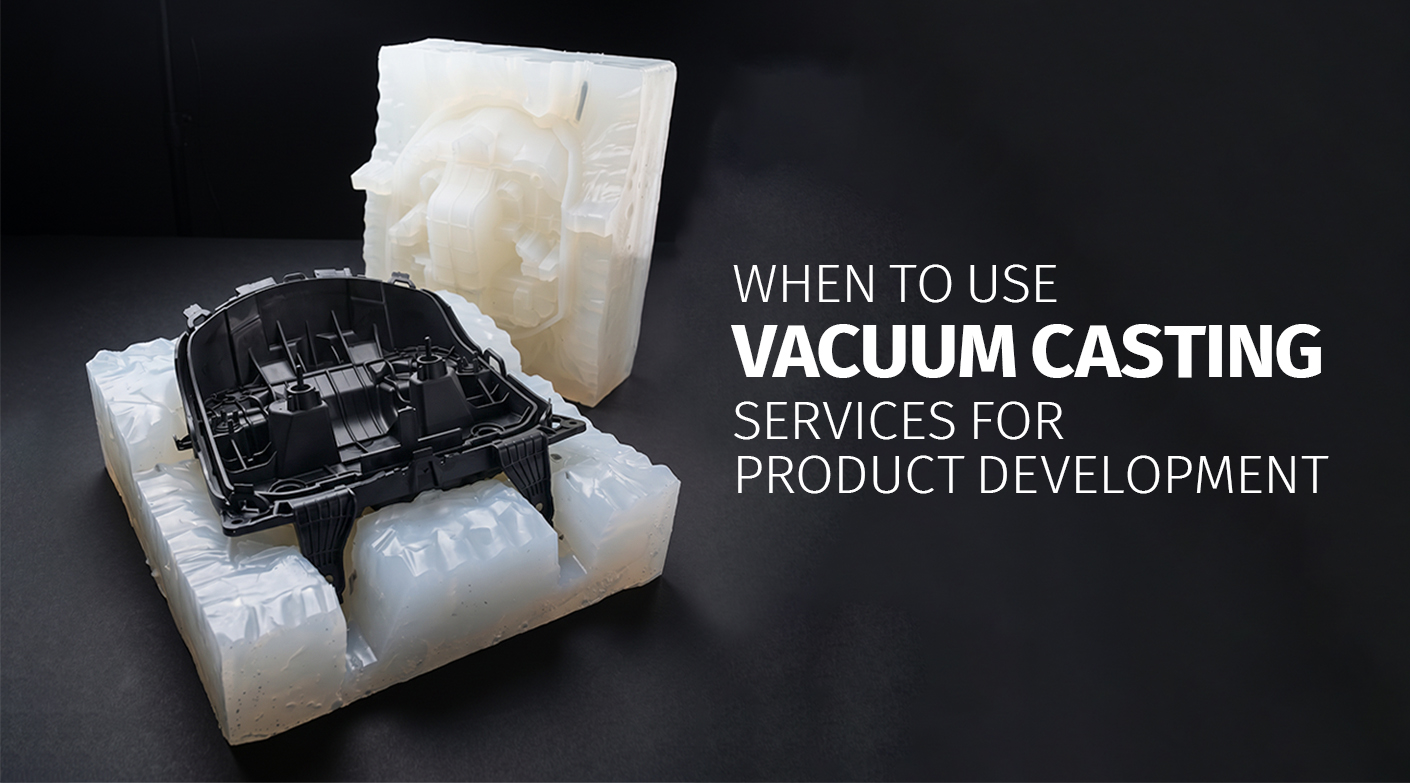
What if you could test a product using parts that closely resemble the intended final product without investing in expensive production tooling at this stage? This is where vacuum casting services for product development can help. Product teams may need components that closely resemble the intended final product in appearance, fit, and functionality before progressing to larger-scale manufacturing.
Vacuum casting supports the transition from rapid prototyping to low-volume production. It can yield detailed, production-like parts in small quantities and allow product developers flexibility in making changes prior to expensive tooling.
Understanding Vacuum Casting
Vacuum casting is a technique in which a master model is used to generate a silicone mould that is cast using casting resins in a vacuum environment. The vacuum decreases the amount of trapped air and increases the ability of the resin to reproduce fine details and surface features of the mould.
But where does it fit in product development? Well, this can be very helpful for a product development team once the initial idea is designed but before mass production.
In addition to processes like rapid tooling and CNC machining, trusted vacuum casting service providers such as Cubein provide vacuum casting as part of their rapid prototyping services.
When, then, should vacuum casting be considered?
1. When You Need Realistic Functional Prototypes
A concept that looks promising in a digital model may reveal limitations when translated into a physical product. This is one of the most compelling arguments for utilising vacuum casting. Rather than being based entirely on a 3D model, developers can create parts that have production-like characteristics to be used to test the product in a more realistic environment.
These prototypes can be evaluated for:
- Product fit and assembly
- Ergonomics and handling
- Surface finish and appearance
- Component interaction
- Overall product functionality
For example, a company developing a casing design for an electronic device might wish to determine if the casing feels comfortable to hold, if parts fit together correctly, and if the design looks like the intended design.
2. When Your Product Design is Still Evolving
Very few products are produced exactly as the designer first thought of. Making too many changes can be more costly and time-consuming if the commitment to production tooling is made too early.
This is where vacuum casting services can support product development. In most cases, silicone moulds need a lower tooling investment compared to metal moulds and injection moulding. This is why vacuum casting is useful during the design process.
Before asking whether a design is ready for mass production, product teams can first evaluate whether the current version meets its functional requirements.
3. When You Need Small Quantities
Not all product development projects require thousands of components. Small batches may be needed for engineering tests, demonstrations, stakeholder review, customer feedback, and/or pre-production assessments. In this stage, it is possible to produce lots of products without incurring unnecessary costs.
Vacuum casting is well suited for low-volume needs. It allows companies to develop several versions of one design without committing to large-volume injection molding.
In addition to this, providing low-volume manufacturing services as part of its manufacturing capabilities is beneficial to businesses that want to test out their products before committing to higher production volumes.
4. When You Want to Validate a Product Before Injection Molding
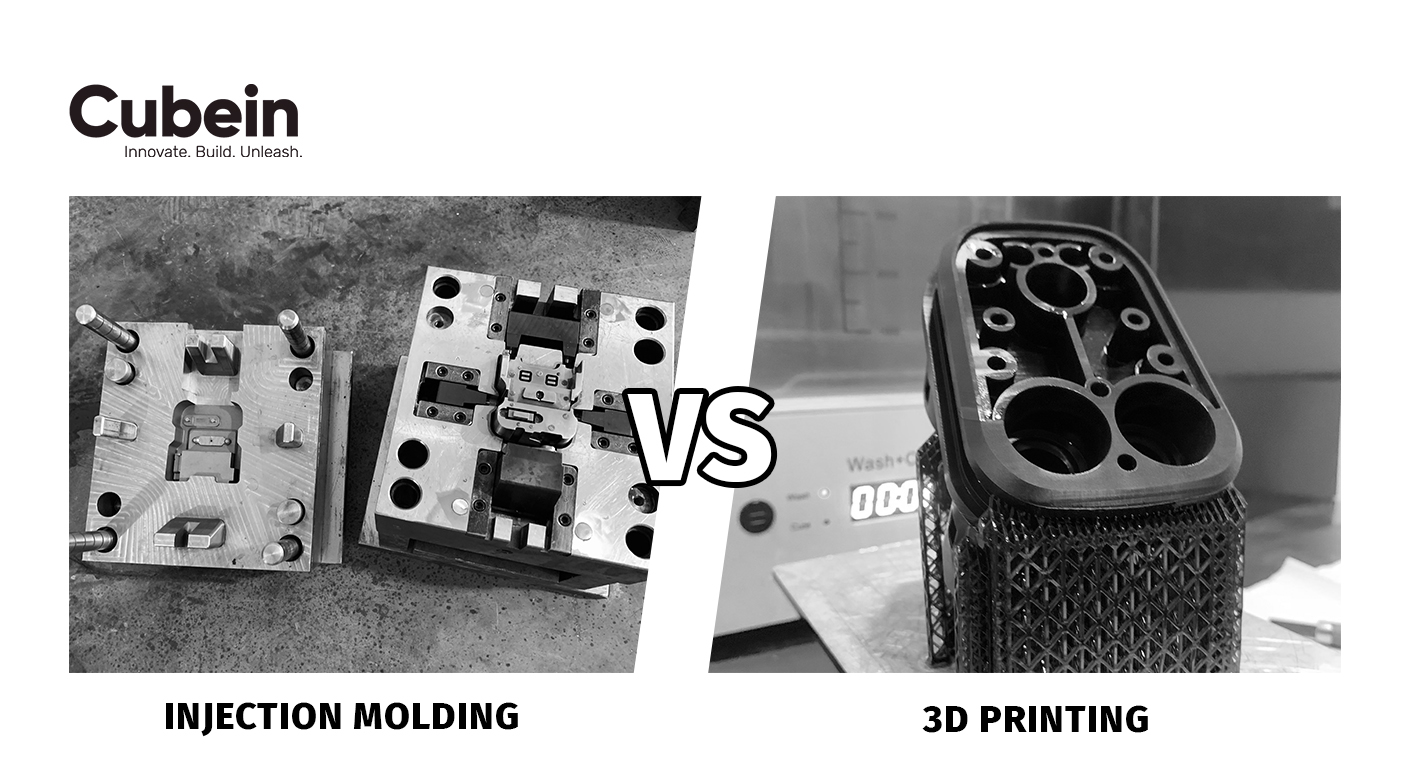
Choosing between vacuum casting and injection moulding does not necessarily mean selecting one process for the entire product lifecycle. In many projects, the two may operate in different phases of product development in many projects.
Vacuum casting may be more suitable when :
- The design has yet to be validated
- Production quantities are limited
- Design changes are anticipated
- You don’t want to invest too early in production tooling
Injection molding becomes more suitable when the design is finalised, and production volumes justify the initial tooling investment.
5. When You Need Faster Product Validation
When every design change requires new production tooling, development timelines can increase significantly. Vacuum casting can shorten the time between design iteration and the production of a small batch of parts. These components can be used as part of the development process to give feedback to the development process, identify design issues, and inform decision-making steps in the forward direction.
It can be particularly useful for businesses that require multiple design iterations. In the course of business growth, businesses can go through various levels without considering prototyping and production to be separate processes.
Vacuum Casting Services vs. Injection Molding: Which is the Better Option?
This selection is based on the product or the developmental stage.
- Vacuum casting is suitable for low-volume production, prototypes, detailed components, development to meet designs, or flexibility during design.
- Injection molding is suitable when there is a final design, demand, and production demand is sufficient to justify the tooling investment.
It should be noted that the choice of a manufacturing technique is not determined by popularity. Use the process that works well for the product’s stage of development.
Choosing a manufacturing partner with expertise across the product development process can help streamline the transition from prototyping to production for businesses considering vacuum casting services in India.
How to Know if Vacuum Casting is Right for Your Project
Consider the following questions to determine whether vacuum casting is suitable for your project:
- Is the design finalised?
If not, vacuum casting can be supported before committing to production tooling.
- Looking for a small quantity?
For a low-volume requirement, vacuum casting may be more practical than the setup of injection molding.
- Do the parts need to closely resemble the intended final product?
Vacuum casting is a method that can reproduce detailed geometry, texture, and surface characteristics.
- Does the product require physical validation?
Physical parts can provide more meaningful feedback on fit, handling, assembly, and usability than digital models can.
If your requirements focus on prototyping or low-volume production, vacuum casting may be a suitable option.
Conclusion
Vacuum casting can be a suitable option when a product has progressed beyond initial prototyping but is not yet ready for full-scale production. It supports design validation, functional testing, presentation, and small-quantity parts that are detailed and production-like.
Vacuum casting delivers greater value when connected to a more thorough product development process, one in which the process of design, prototyping, low-volume manufacturing, and production can smoothly follow the previous step.
From initial concept to market-ready products, Cubein helps businesses with its expertise in industrial design, rapid prototyping, low-volume production, vacuum casting, injection tooling, and production.
Have a product idea that needs validation before production? Get in touch with Cubein to find out a better manufacturing method for your project.
FAQs
1. When should vacuum casting be used for product development?
Vacuum casting is suitable for functional prototypes, starting with small production batches, when parts are extremely detailed, or when you want to test your designs before investing in production tooling; then vacuum casting is the ideal solution.
2. Does vacuum casting offer any benefit over injection molding?
Neither process is universally superior. Vacuum casting is ideal for creating prototypes and low-volume production runs, and injection molding is best for final designs and high-volume manufacturing.
3. Can vacuum casting be used for medical product development?
Vacuum casting can support selected medical product development applications, including prototypes, housings, and ergonomic components, depending on the material and application conditions.
4. What are the benefits of vacuum casting services in India?
Vacuum casting services in India can help product developers produce detailed prototypes and small volumes to validate designs prior to scaling up to mass production.
Other Blog
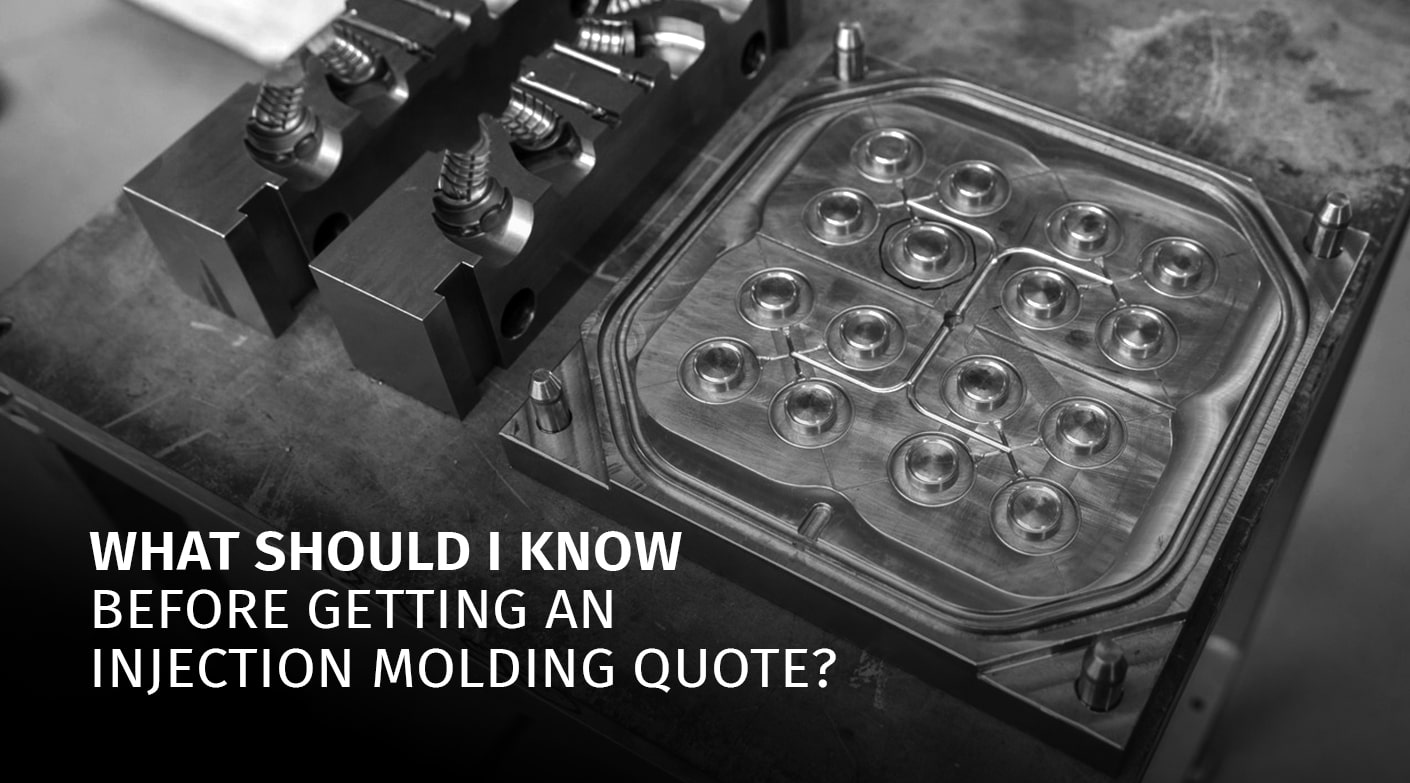
What Should I Know Before Getting An Injection Molding ...
What Should I Know Before Getting An Injection Molding Quote?
Read More
Revolutionize Your Business with 3D Printing Services i...
Revolutionize Your Business with best 3D Printing Services in India
Read More
Why Industrial Design is Essential for Modern Product D...
At Cubein, we can help you bring your innovative product idea into reality.
Read More
Original Design Manufacturer: Reducing Risk in Product ...
Original Design Manufacturer: Reducing Risk in Product Launches
Read More
The Role of Industrial Design in Smart Home Product Dev...
The Role of Industrial Design in Smart Home Product Development
Read More